Blab Sports
USMNT Prepares for Paraguay Test as Pochettino Refines Attack Ahead of 2026 World Cup
The U.S. men’s national team is on the brink of its first test under Mauricio Pochettino, a June 12 showdown with Paraguay that will reveal whether his high‑pressing 4‑2‑3‑1 can stand up to the pressure of a World Cup the country will host.
Pochettino’s camp has just wrapped up a two‑friendly window against Senegal and Germany, and the lessons learned are already shaping the squad’s next move. A 2‑1 home victory over Senegal and a 3‑0 away defeat to Germany gave the coaching staff a laboratory to tweak roles, experiment with formations, and assess depth ahead of the 2026 tournament.
One of the most visible shifts came on the right flank, where Sergiño Dest has been pushed forward from his usual wing‑back berth to a more advanced winger role. The change injected pace into the attack and kept the team’s offensive threat front‑and‑center, a hallmark of Pochettino’s aggressive, high‑pressing philosophy.
In midfield, Malik Tillman emerged as a key creative engine. Having played in a variety of positions, Tillman logged five key passes across the friendlies and earned praise for his versatility. Pochettino hinted that Tillman could start against Paraguay, especially if the U.S. adopts a more defensive posture.
Defensive options were also on the test bench. Alex Freeman, now a full‑back for La Liga club Villarreal, was tasked with blending defensive duties and forward support. Mark Mckenzie, a reliable right‑back, and Tim Ream, who brings experience on the left, rounded out the backline. Chris Richards, still recovering from an ankle injury sustained on May 17, has returned to training but has not yet been cleared for match play; the staff indicated that Richards might be eased back in, with Mckenzie likely starting the opening game.
The squad also includes Coventry City defender Haji Wright, who did not feature in either friendly but is listed as a potential change‑of‑pace option off the bench.
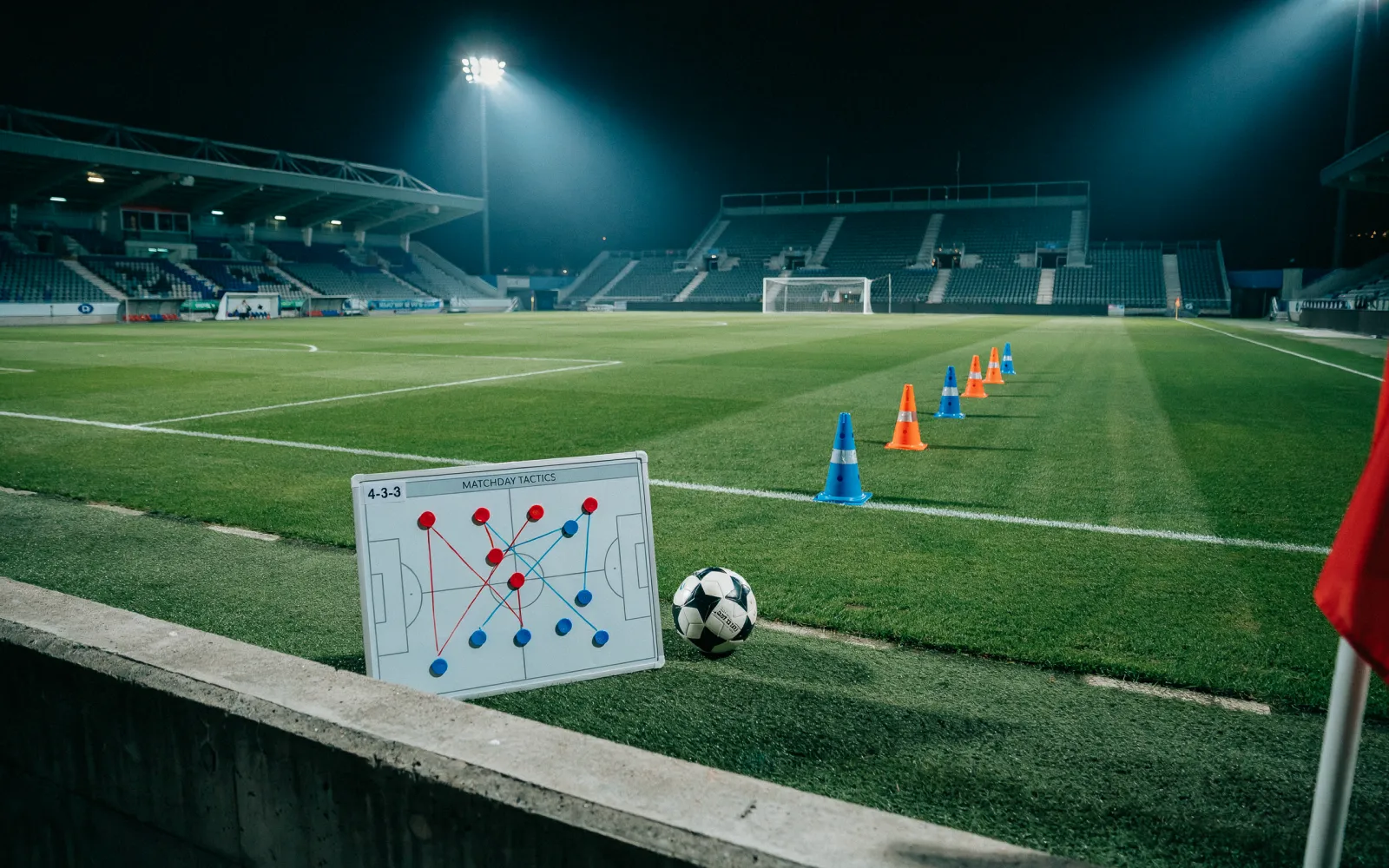
Pochettino’s first international management role has been a period of adjustment. The pre‑World Cup camp has allowed him to instill a system that centers on a 4‑2‑3‑1 shape that can shift into a 3‑4‑2‑1 when needed. The coaching staff emphasized that players are familiar with each other’s positions, which should strengthen the team’s attacking movements.
Other key contributors in the lineup include Folarin Balogun, Christian Pulisic, and Ricardo Pepi. Balogun’s goal‑scoring form and Pulisic’s creativity are expected to be vital in the forward line, while Pepi’s pace could be a threat from the bench.
Depth remains a theme for the U.S. team. Tim Weah, who started the 2022 World Cup, is not expected to be a starter against Paraguay, illustrating the depth that has developed since the previous tournament.
The match on June 12 will take place at the newly built stadium in Los Angeles. It is part of the group stage of the 2026 FIFA World Cup, and the result will influence the United States’ position in the group and its path to the knockout rounds.
In summary, the U.S. has used its last friendlies to fine‑tune an attacking system under Mauricio Pochettino, with a focus on speed, versatility, and depth. Key players such as Dest, Tillman, and Richards are being positioned to adapt to the demands of the World Cup. The upcoming match against Paraguay will test the squad’s readiness and provide a benchmark for the team as it prepares for the tournament it will host next summer.
Pochettino’s camp has just wrapped up a two‑friendly window against Senegal and Germany, and the lessons learned are already shaping the squad’s next move. A 2‑1 home victory over Senegal and a 3‑0 away defeat to Germany gave the coaching staff a laboratory to tweak roles, experiment with formations, and assess depth ahead of the 2026 tournament.
One of the most visible shifts came on the right flank, where Sergiño Dest has been pushed forward from his usual wing‑back berth to a more advanced winger role. The change injected pace into the attack and kept the team’s offensive threat front‑and‑center, a hallmark of Pochettino’s aggressive, high‑pressing philosophy.
In midfield, Malik Tillman emerged as a key creative engine. Having played in a variety of positions, Tillman logged five key passes across the friendlies and earned praise for his versatility. Pochettino hinted that Tillman could start against Paraguay, especially if the U.S. adopts a more defensive posture.
Defensive options were also on the test bench. Alex Freeman, now a full‑back for La Liga club Villarreal, was tasked with blending defensive duties and forward support. Mark Mckenzie, a reliable right‑back, and Tim Ream, who brings experience on the left, rounded out the backline. Chris Richards, still recovering from an ankle injury sustained on May 17, has returned to training but has not yet been cleared for match play; the staff indicated that Richards might be eased back in, with Mckenzie likely starting the opening game.
The squad also includes Coventry City defender Haji Wright, who did not feature in either friendly but is listed as a potential change‑of‑pace option off the bench.
Pochettino’s first international management role has been a period of adjustment. The pre‑World Cup camp has allowed him to instill a system that centers on a 4‑2‑3‑1 shape that can shift into a 3‑4‑2‑1 when needed. The coaching staff emphasized that players are familiar with each other’s positions, which should strengthen the team’s attacking movements.
Other key contributors in the lineup include Folarin Balogun, Christian Pulisic, and Ricardo Pepi. Balogun’s goal‑scoring form and Pulisic’s creativity are expected to be vital in the forward line, while Pepi’s pace could be a threat from the bench.
Depth remains a theme for the U.S. team. Tim Weah, who started the 2022 World Cup, is not expected to be a starter against Paraguay, illustrating the depth that has developed since the previous tournament.
The match on June 12 will take place at the newly built stadium in Los Angeles. It is part of the group stage of the 2026 FIFA World Cup, and the result will influence the United States’ position in the group and its path to the knockout rounds.
In summary, the U.S. has used its last friendlies to fine‑tune an attacking system under Mauricio Pochettino, with a focus on speed, versatility, and depth. Key players such as Dest, Tillman, and Richards are being positioned to adapt to the demands of the World Cup. The upcoming match against Paraguay will test the squad’s readiness and provide a benchmark for the team as it prepares for the tournament it will host next summer.