Blab Sports
Sela Sues Fanatics Studios Over Flag-Football Classic Relocation
Sela, a Saudi entertainment company owned by the Public Investment Fund, has filed a lawsuit in England’s commercial court against Fanatics Studios over the decision to move the inaugural Fanatics Flag Football Classic from Riyadh to Los Angeles. The suit, announced on June 8, 2026, challenges the relocation and the event’s continued schedule on March 21, 2026.
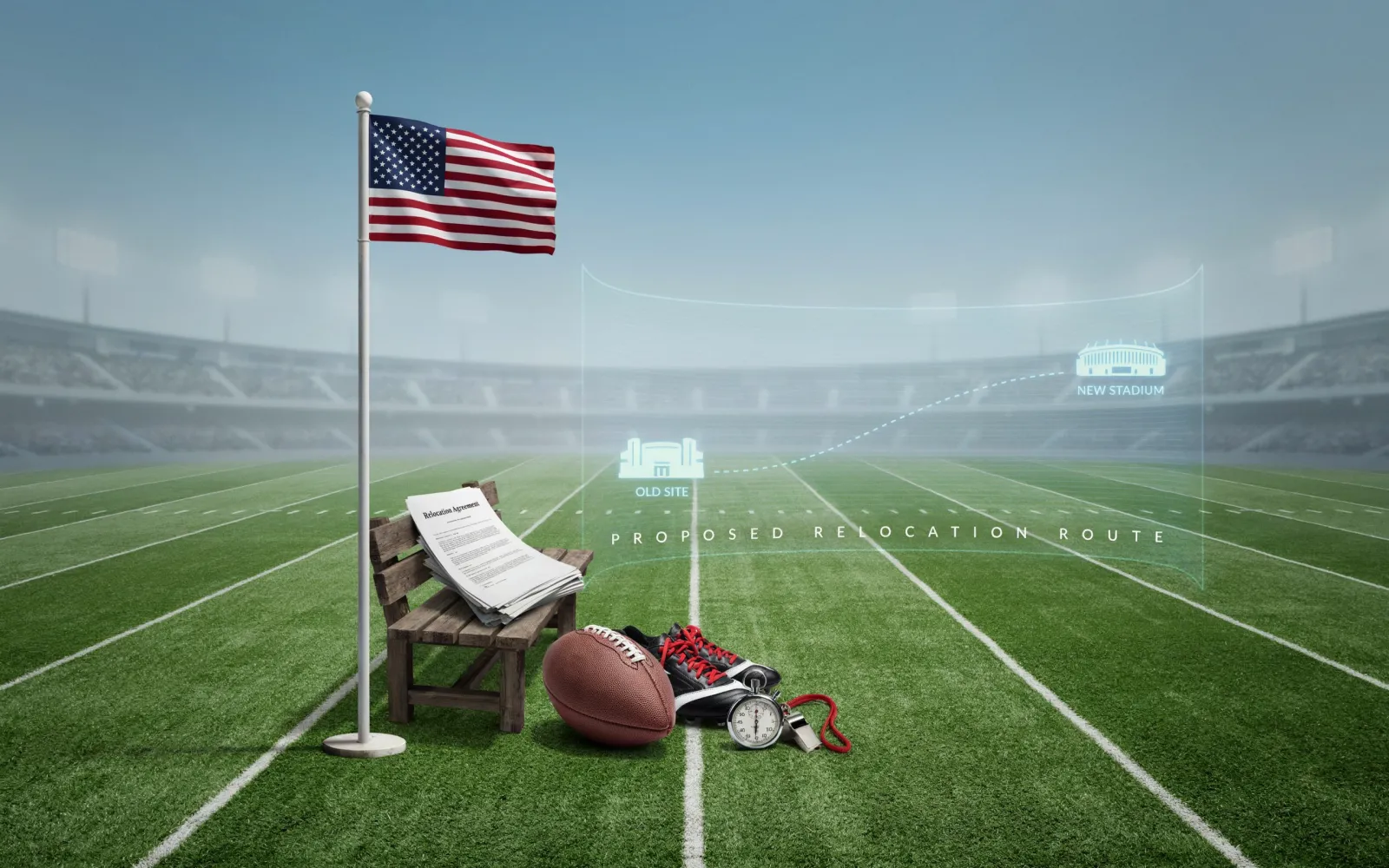
The Fanatics Flag Football Classic was originally slated for March 21 at Kingdom Arena in Riyadh. According to Front Office Sports, the move to Los Angeles was prompted by escalating tensions in the Middle East, specifically U.S. military strikes against Iran that raised security concerns and triggered travel advisories. Fanatics Studios opted to relocate the tournament to BMO Stadium in Los Angeles rather than postpone it for a full year, a postponement that Sela had requested.
The Los Angeles venue, BMO Stadium, is slated to host Olympic flag football during the 2028 Los Angeles Games. The event featured a star‑studded lineup that included former NFL quarterback Tom Brady, Philadelphia Eagles quarterback Jalen Hurts, and other notable athletes such as Joe Burrow, Jayden Daniels, Rob Gronkowski, Saquon Barkley, Myles Garrett, and Logan Paul. The U.S. national flag‑football team also competed. According to the article, the tournament consisted of three teams, with the U.S. national team winning the round‑robin competition.
Fanatics Studios produced the Classic in partnership with FOX Sports, OBB Media, and Riyadh Season. The event was broadcast on FOX and streamed worldwide on Tubi. According to the article, the broadcast drew roughly 650,000 viewers. The Classic was promoted as a showcase for flag football ahead of its Olympic debut.
Sela’s lawsuit alleges that the relocation violated contractual terms and caused the company to withdraw its funding. According to the article, Sela withdrew financial support after the event was moved against its wishes and subsequently filed suit in England’s commercial court. The lawsuit seeks to determine responsibility for the costly change of plans and to recover damages related to the relocation.
The legal action adds a new dimension to an event that was already controversial. The Classic’s original Riyadh location drew criticism over Saudi Arabia’s human‑rights record and accusations of sportswashing. The relocation to the United States was justified by security concerns stemming from the 2026 Iran war, according to the article.
Fanatics Studios has not issued a statement in response to the lawsuit. The article does not report any comment from the organization. Sela’s legal team has not released details of the claims beyond the filing.
The lawsuit could have implications for the promotion of flag football and for international sporting events that involve Saudi investment. If the court sides with Sela, Fanatics Studios may face financial penalties and a requirement to honor the original contractual arrangement. If the court rejects the claim, the relocation may be upheld as a legitimate response to security risks.
The Fanatics Flag Football Classic remains scheduled for March 21 in Los Angeles. The event’s organizers have indicated that the tournament will proceed as planned, with the U.S. national team set to compete against the other two teams. The outcome of the lawsuit will likely be decided in the coming months, as the legal process in England’s commercial court typically takes several weeks to months to reach a conclusion.
In the broader context, the Classic is part of a growing interest in flag football, with the NFL and TMRW Sports announcing plans to launch a professional flag‑football league before the 2028 Olympics. The lawsuit underscores the complexities of organizing international sporting events amid geopolitical tensions and commercial partnerships.
The current situation remains that the event will take place in Los Angeles on March 21, 2026, while the legal dispute over the relocation continues in England’s commercial court. The outcome will determine whether Fanatics Studios is held liable for the costs incurred by Sela and whether the relocation can stand as a justified response to the Middle East conflict.
The Fanatics Flag Football Classic was originally slated for March 21 at Kingdom Arena in Riyadh. According to Front Office Sports, the move to Los Angeles was prompted by escalating tensions in the Middle East, specifically U.S. military strikes against Iran that raised security concerns and triggered travel advisories. Fanatics Studios opted to relocate the tournament to BMO Stadium in Los Angeles rather than postpone it for a full year, a postponement that Sela had requested.
The Los Angeles venue, BMO Stadium, is slated to host Olympic flag football during the 2028 Los Angeles Games. The event featured a star‑studded lineup that included former NFL quarterback Tom Brady, Philadelphia Eagles quarterback Jalen Hurts, and other notable athletes such as Joe Burrow, Jayden Daniels, Rob Gronkowski, Saquon Barkley, Myles Garrett, and Logan Paul. The U.S. national flag‑football team also competed. According to the article, the tournament consisted of three teams, with the U.S. national team winning the round‑robin competition.
Fanatics Studios produced the Classic in partnership with FOX Sports, OBB Media, and Riyadh Season. The event was broadcast on FOX and streamed worldwide on Tubi. According to the article, the broadcast drew roughly 650,000 viewers. The Classic was promoted as a showcase for flag football ahead of its Olympic debut.
Sela’s lawsuit alleges that the relocation violated contractual terms and caused the company to withdraw its funding. According to the article, Sela withdrew financial support after the event was moved against its wishes and subsequently filed suit in England’s commercial court. The lawsuit seeks to determine responsibility for the costly change of plans and to recover damages related to the relocation.
The legal action adds a new dimension to an event that was already controversial. The Classic’s original Riyadh location drew criticism over Saudi Arabia’s human‑rights record and accusations of sportswashing. The relocation to the United States was justified by security concerns stemming from the 2026 Iran war, according to the article.
Fanatics Studios has not issued a statement in response to the lawsuit. The article does not report any comment from the organization. Sela’s legal team has not released details of the claims beyond the filing.
The lawsuit could have implications for the promotion of flag football and for international sporting events that involve Saudi investment. If the court sides with Sela, Fanatics Studios may face financial penalties and a requirement to honor the original contractual arrangement. If the court rejects the claim, the relocation may be upheld as a legitimate response to security risks.
The Fanatics Flag Football Classic remains scheduled for March 21 in Los Angeles. The event’s organizers have indicated that the tournament will proceed as planned, with the U.S. national team set to compete against the other two teams. The outcome of the lawsuit will likely be decided in the coming months, as the legal process in England’s commercial court typically takes several weeks to months to reach a conclusion.
In the broader context, the Classic is part of a growing interest in flag football, with the NFL and TMRW Sports announcing plans to launch a professional flag‑football league before the 2028 Olympics. The lawsuit underscores the complexities of organizing international sporting events amid geopolitical tensions and commercial partnerships.
The current situation remains that the event will take place in Los Angeles on March 21, 2026, while the legal dispute over the relocation continues in England’s commercial court. The outcome will determine whether Fanatics Studios is held liable for the costs incurred by Sela and whether the relocation can stand as a justified response to the Middle East conflict.