Blab Sports
Penn States $700 Million Beaver Stadium Renovation Nears Completion Ahead of 2027 Season
A thunderous roar of progress is echoing across Beaver Stadium, the home of the Penn State Nittany Lions, as a $700 million makeover that began on January 4, 2025 edges toward its final curtain. With construction crews now in the second phase, the project is slated to finish before the 2027 season, ensuring the venue remains a marquee destination for college football.
In early March, head coach Matt Campbell paid a visit to the site, offering a rare glimpse of the behind‑the‑scenes work that will support the Lions’ on‑field ambitions. “It is my honor to represent this, and I can promise all of you, all this hard work you’re putting in to make this really special, we’re going to put that same work behind the scenes to make the product on the field really special,” Campbell said. “We’ll look forward to making you proud this fall.” His remarks underscored the program’s intent to pair upgraded facilities with competitive excellence.
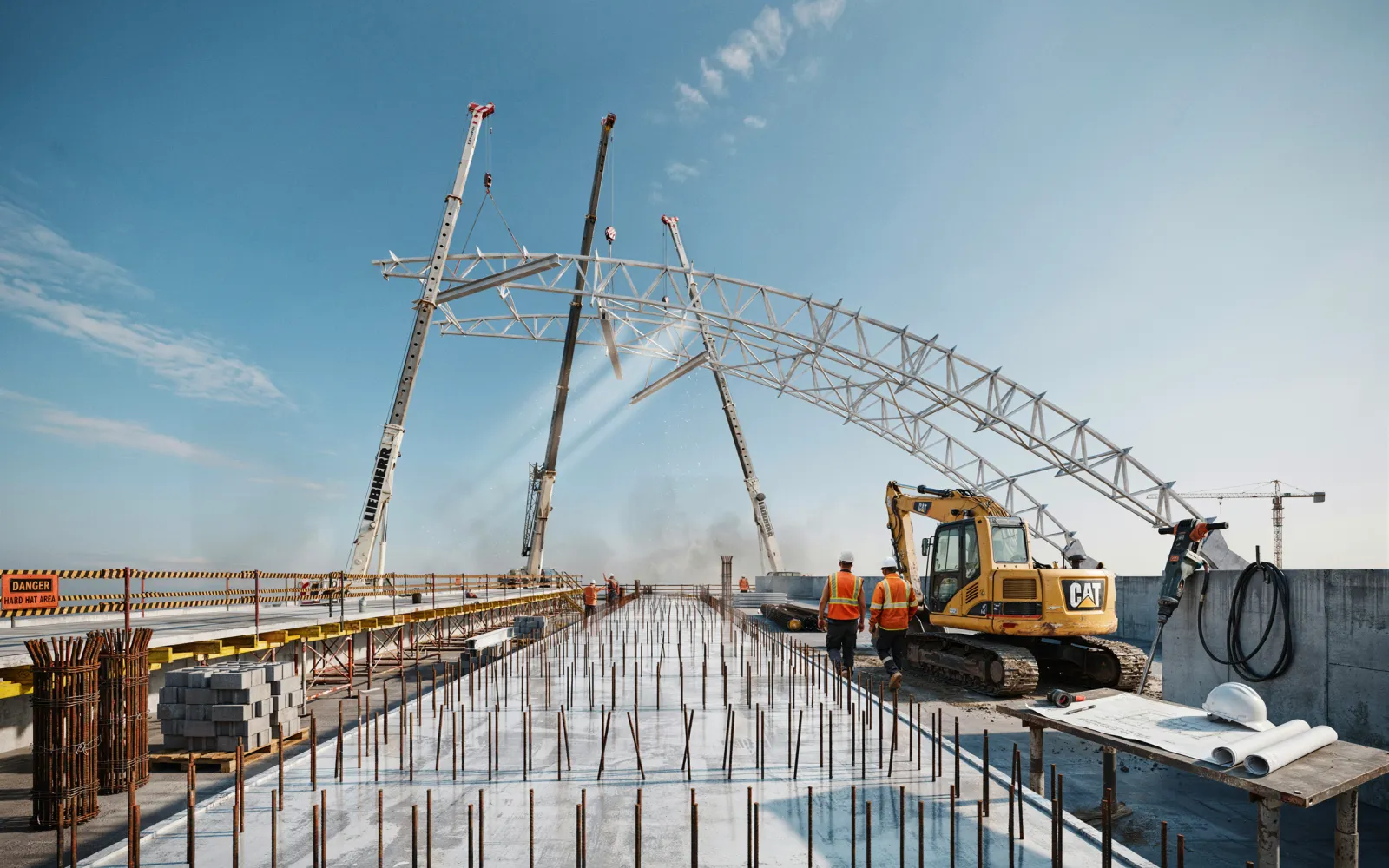
Senior project manager Mike Abbondante of Barton Malow, the firm steering the construction, outlined the current status. “We will have the east main concourse fully widened, we’ll have [seats ready in] the upper seating bowl, we’ll have the club, basically all of our structure will be 100% done,” Abbondante said. He added that interior work remains behind the framing, noting, “One of the challenges of a project of this nature is we’re building vertical structure, but there’s a lot of interior and detailed work that’s occurring between our framing.” “We’re really having to dance, in a way, between getting the structure up, making sure we’re ready for a 2026 season with our seating and our capacity.”
The overhaul will introduce a 35,000‑square‑foot Marzano Club featuring a sloped glass wall that frames a panoramic view of the surrounding mountain range. A new seating level will rise from the same altitude as the original press box, giving the west side a taller profile that is expected to amplify the stadium’s iconic roar. After the 2026 season, the lower bowl on the west side will be stripped of all seating to widen seat spacing and enhance the fan experience, while new concession points will be added throughout the concourse.
Beaver Stadium, located in University Park, Pennsylvania, currently holds 106,572 seats, making it the second‑largest stadium in the Western Hemisphere and the fourth‑largest in the world. During the 2025 season, the venue maintained a capacity of 106,304 by installing three sections of temporary bleachers. Completing the renovation before the 2027 season will preserve the stadium’s status as a premier college football venue while modernizing its amenities.
The $700 million project is part of Penn State’s broader strategy to enhance the fan experience, support recruiting, and maintain competitiveness in the Big Ten Conference. The stadium has been home to the Nittany Lions since 1960 and is now officially known as West Shore Home Field at Beaver Stadium following a naming‑rights agreement.
As the 2026 season approaches, fans can expect to see a more complete version of the stadium on game days, with widened concourses, new club seating, and upgraded concessions. While the final capacity and seating configuration for the 2027 season remain to be confirmed, the project’s steady progress signals a significant investment in Penn State football’s future.
In early March, head coach Matt Campbell paid a visit to the site, offering a rare glimpse of the behind‑the‑scenes work that will support the Lions’ on‑field ambitions. “It is my honor to represent this, and I can promise all of you, all this hard work you’re putting in to make this really special, we’re going to put that same work behind the scenes to make the product on the field really special,” Campbell said. “We’ll look forward to making you proud this fall.” His remarks underscored the program’s intent to pair upgraded facilities with competitive excellence.
Senior project manager Mike Abbondante of Barton Malow, the firm steering the construction, outlined the current status. “We will have the east main concourse fully widened, we’ll have [seats ready in] the upper seating bowl, we’ll have the club, basically all of our structure will be 100% done,” Abbondante said. He added that interior work remains behind the framing, noting, “One of the challenges of a project of this nature is we’re building vertical structure, but there’s a lot of interior and detailed work that’s occurring between our framing.” “We’re really having to dance, in a way, between getting the structure up, making sure we’re ready for a 2026 season with our seating and our capacity.”
The overhaul will introduce a 35,000‑square‑foot Marzano Club featuring a sloped glass wall that frames a panoramic view of the surrounding mountain range. A new seating level will rise from the same altitude as the original press box, giving the west side a taller profile that is expected to amplify the stadium’s iconic roar. After the 2026 season, the lower bowl on the west side will be stripped of all seating to widen seat spacing and enhance the fan experience, while new concession points will be added throughout the concourse.
Beaver Stadium, located in University Park, Pennsylvania, currently holds 106,572 seats, making it the second‑largest stadium in the Western Hemisphere and the fourth‑largest in the world. During the 2025 season, the venue maintained a capacity of 106,304 by installing three sections of temporary bleachers. Completing the renovation before the 2027 season will preserve the stadium’s status as a premier college football venue while modernizing its amenities.
The $700 million project is part of Penn State’s broader strategy to enhance the fan experience, support recruiting, and maintain competitiveness in the Big Ten Conference. The stadium has been home to the Nittany Lions since 1960 and is now officially known as West Shore Home Field at Beaver Stadium following a naming‑rights agreement.
As the 2026 season approaches, fans can expect to see a more complete version of the stadium on game days, with widened concourses, new club seating, and upgraded concessions. While the final capacity and seating configuration for the 2027 season remain to be confirmed, the project’s steady progress signals a significant investment in Penn State football’s future.