Blab Sports
2026 FIFA World Cup Opens with Mexico-South Africa Clash at Azteca Stadium
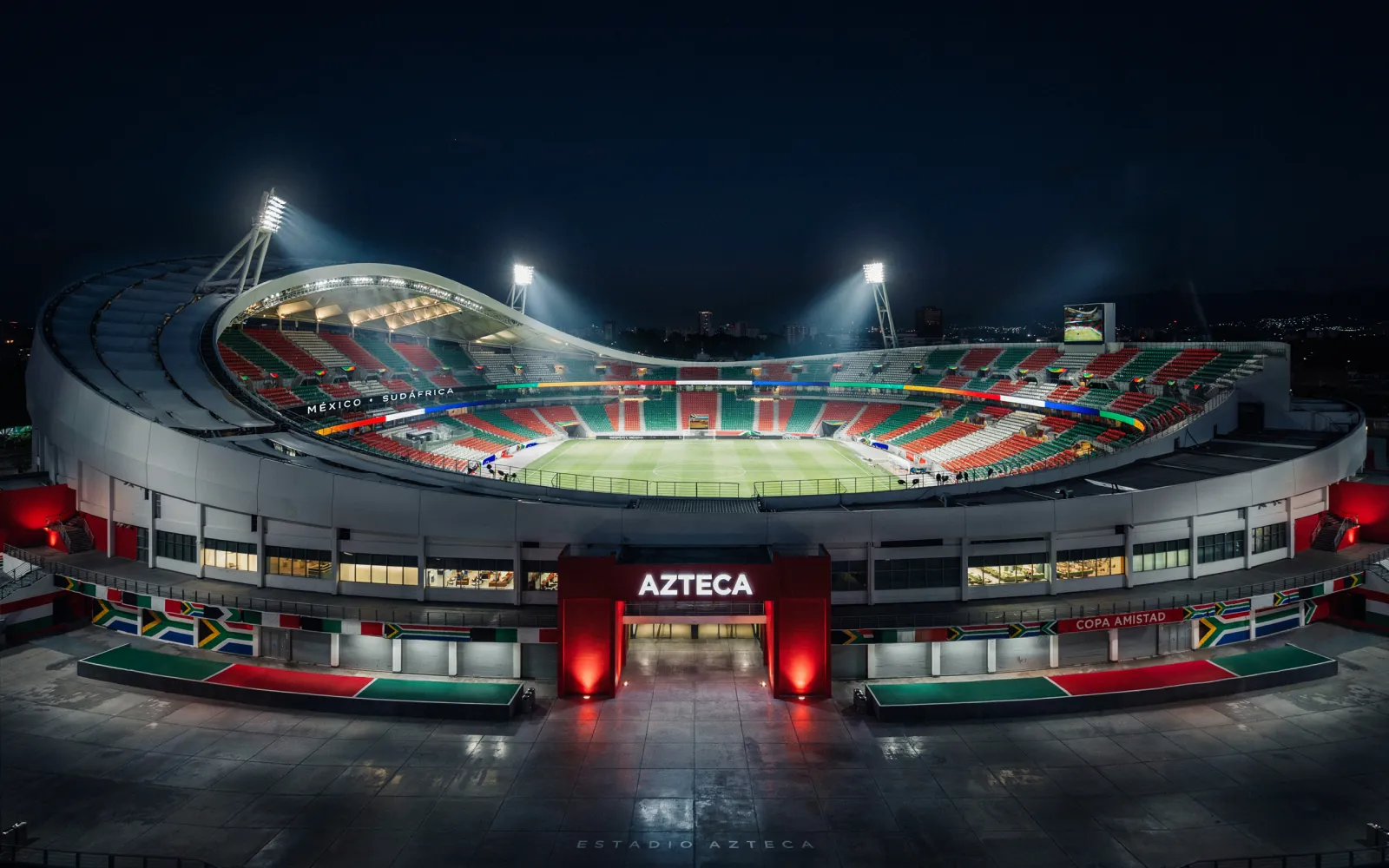
The 2026 FIFA World Cup opened on Thursday, June 11, 2026, with a Group A encounter between host Mexico and South Africa. The match was staged at the historic Estadio Azteca in Mexico City and began at 23:00 Baku time, with Brazilian referee Wilton Sampaio—on FIFA’s international list since 2013—calling the shots.
This edition marks the first World Cup jointly hosted by the United States, Canada, and Mexico, and it is also the first to feature 48 national teams. A total of 1,248 players have been registered, and 104 matches will unfold across 16 venues in 16 cities: eleven in the United States, three in Mexico, and two in Canada. Mexico becomes the first nation to host or co‑host the tournament three times, following its 1970 and 1986 campaigns. The United States hosted in 1994, while Canada will play its inaugural hosting role.
The opening game was just the beginning of a historic roster. Four teams—Cape Verde, Curaçao, Jordan, and Uzbekistan—are making their World Cup debuts. Turkey returns after a 24‑year absence, drawn into Group D, and will face Australia on June 14 at 08:00 Baku time.
The group‑stage draw reads: - Group A: Mexico, South Africa, South Korea, Czech Republic - Group B: Canada, Qatar, Switzerland, Bosnia and Herzegovina - Group C: Brazil, Morocco, Haiti, Scotland - Group D: United States, Paraguay, Australia, Türkiye - Group E: Germany, Curaçao, Côte d’Ivoire, Ecuador - Group F: Netherlands, Japan, Sweden, Tunisia - Group G: Belgium, Egypt, Iran, New Zealand - Group H: Spain, Cape Verde, Saudi Arabia, Uruguay - Group I: France, Senegal, Norway, Iraq - Group J: Argentina, Algeria, Austria, Jordan - Group K: Portugal, DR Congo, Uzbekistan, Colombia - Group L: England, Croatia, Panama, Ghana
Argentina entered the tournament as reigning champions, having secured the 2022 title in Qatar. The competition will run through July 19, 2026.
The event has already sparked logistical conversations. Reports have highlighted concerns over U.S. immigration and visa policies that could affect qualified teams and their supporters. The ongoing conflict in Iran has also raised questions about the Iranian national team’s participation. FIFA’s dynamic ticket‑pricing model has drawn debate among fans and stakeholders.
As the group stage progresses, attention will shift to the 104 matches that will determine which teams advance to the knockout rounds. Analysts and fans alike will monitor the debutants’ performances and assess whether the expanded format reshapes the competitive landscape. The World Cup’s conclusion on July 19 will decide whether Argentina can defend its title or whether a new champion will emerge.
The 2026 edition promises to be the largest and most geographically diverse World Cup in history, offering a global showcase of football talent across three North American nations.
This edition marks the first World Cup jointly hosted by the United States, Canada, and Mexico, and it is also the first to feature 48 national teams. A total of 1,248 players have been registered, and 104 matches will unfold across 16 venues in 16 cities: eleven in the United States, three in Mexico, and two in Canada. Mexico becomes the first nation to host or co‑host the tournament three times, following its 1970 and 1986 campaigns. The United States hosted in 1994, while Canada will play its inaugural hosting role.
The opening game was just the beginning of a historic roster. Four teams—Cape Verde, Curaçao, Jordan, and Uzbekistan—are making their World Cup debuts. Turkey returns after a 24‑year absence, drawn into Group D, and will face Australia on June 14 at 08:00 Baku time.
The group‑stage draw reads: - Group A: Mexico, South Africa, South Korea, Czech Republic - Group B: Canada, Qatar, Switzerland, Bosnia and Herzegovina - Group C: Brazil, Morocco, Haiti, Scotland - Group D: United States, Paraguay, Australia, Türkiye - Group E: Germany, Curaçao, Côte d’Ivoire, Ecuador - Group F: Netherlands, Japan, Sweden, Tunisia - Group G: Belgium, Egypt, Iran, New Zealand - Group H: Spain, Cape Verde, Saudi Arabia, Uruguay - Group I: France, Senegal, Norway, Iraq - Group J: Argentina, Algeria, Austria, Jordan - Group K: Portugal, DR Congo, Uzbekistan, Colombia - Group L: England, Croatia, Panama, Ghana
Argentina entered the tournament as reigning champions, having secured the 2022 title in Qatar. The competition will run through July 19, 2026.
The event has already sparked logistical conversations. Reports have highlighted concerns over U.S. immigration and visa policies that could affect qualified teams and their supporters. The ongoing conflict in Iran has also raised questions about the Iranian national team’s participation. FIFA’s dynamic ticket‑pricing model has drawn debate among fans and stakeholders.
As the group stage progresses, attention will shift to the 104 matches that will determine which teams advance to the knockout rounds. Analysts and fans alike will monitor the debutants’ performances and assess whether the expanded format reshapes the competitive landscape. The World Cup’s conclusion on July 19 will decide whether Argentina can defend its title or whether a new champion will emerge.
The 2026 edition promises to be the largest and most geographically diverse World Cup in history, offering a global showcase of football talent across three North American nations.