Blab Sports
Chennai Womens Football Session Highlights Growing Community Interest
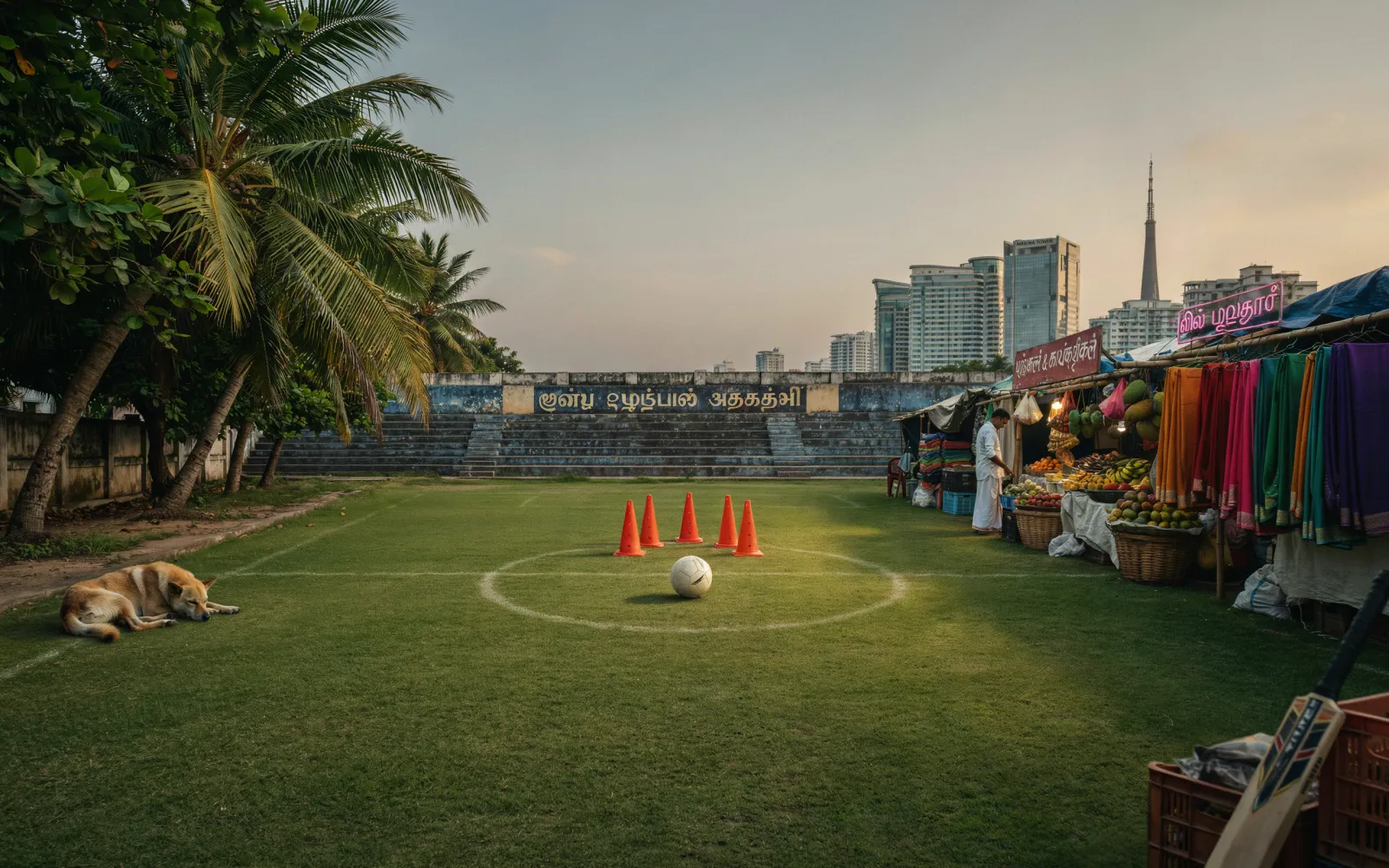
On a quiet Sunday morning in Chennai, a group of women gathered on a local football pitch to play a casual match, illustrating the growing interest in women’s football across India. The session, held under an overcast sky, featured participants of varying experience levels, some of whom had never kicked a ball before. The atmosphere was light‑hearted, with laughter following a missed goal and cheers when a ball crossed the net. The event, reported on June 10 2026, highlights how community‑based sports activities are becoming a popular outlet for women in the city.
Chennai, the capital of Tamil Nadu, has a long history of football participation. The city hosts professional clubs such as Chennaiyin FC, which competes in the Indian Super League, and Chennai City FC, which has played in the I‑League. Both clubs have contributed to the local football ecosystem by offering training facilities and youth programs. The presence of these clubs has helped raise the profile of the sport in the region, making it more accessible to residents of all ages and backgrounds.
Women’s football in India has seen a steady rise in recent years. The All India Football Federation (AIFF) launched the Indian Women’s League (IWL) in 2016 as the country’s first professional league for women. Eight teams currently compete in the IWL, and the league has produced several national team players. The AIFF’s efforts are supported by government initiatives such as Khelo India and the Top‑Performance Support (TOPS) program, which provide funding and infrastructure for grassroots development. The growth of the IWL has also opened pathways for clubs to qualify for the AFC Women’s Club Championship, the top tier of Asian club competition.
The Chennai event reflects the broader trend of women engaging in football at the community level. While the city’s professional clubs focus on elite competition, local pitches and informal matches offer a space for social interaction and physical activity. According to the AIFF, participation rates among women have increased by more than 20 percent over the past five years, a rise attributed in part to school and college programs that encourage girls to play. The June 10 gathering is an example of how these initiatives translate into real‑world opportunities for women who may not have access to formal training.
In addition to recreational play, Chennai has hosted national and international football events. The city was one of the venues for the 2017 FIFA U‑17 World Cup, which attracted over 1.3 million spectators, and it hosted the 2022 FIFA U‑17 Women’s World Cup. These tournaments showcased the city’s capacity to support large‑scale football competitions and have helped inspire local interest in the sport.
The casual match in Chennai also underscores the importance of inclusive spaces for women in sports. While professional leagues and national teams receive media attention, the majority of female footballers in India play in local leagues, school teams, or community groups. These settings provide essential match experience and help maintain a pipeline of talent for higher levels of competition. The AIFF’s recent policy updates emphasize the need for safe and supportive environments for women players, including better coaching standards and medical support.
Looking ahead, the AIFF plans to expand the IWL to include more teams and to strengthen partnerships with state football associations. The government’s Khelo India program aims to increase the number of women’s football clubs by 30 percent over the next three years. If these goals are met, community events such as the one in Chennai could become even more common, offering a steady stream of participation for women across the country.
The June 10 gathering in Chennai demonstrates that football is becoming an inclusive sport for women in India. From professional clubs to informal matches, the sport’s growth is evident at every level. As the AIFF and government initiatives continue to support women’s football, more opportunities are likely to emerge, ensuring that the game remains accessible to all who wish to play.
Chennai, the capital of Tamil Nadu, has a long history of football participation. The city hosts professional clubs such as Chennaiyin FC, which competes in the Indian Super League, and Chennai City FC, which has played in the I‑League. Both clubs have contributed to the local football ecosystem by offering training facilities and youth programs. The presence of these clubs has helped raise the profile of the sport in the region, making it more accessible to residents of all ages and backgrounds.
Women’s football in India has seen a steady rise in recent years. The All India Football Federation (AIFF) launched the Indian Women’s League (IWL) in 2016 as the country’s first professional league for women. Eight teams currently compete in the IWL, and the league has produced several national team players. The AIFF’s efforts are supported by government initiatives such as Khelo India and the Top‑Performance Support (TOPS) program, which provide funding and infrastructure for grassroots development. The growth of the IWL has also opened pathways for clubs to qualify for the AFC Women’s Club Championship, the top tier of Asian club competition.
The Chennai event reflects the broader trend of women engaging in football at the community level. While the city’s professional clubs focus on elite competition, local pitches and informal matches offer a space for social interaction and physical activity. According to the AIFF, participation rates among women have increased by more than 20 percent over the past five years, a rise attributed in part to school and college programs that encourage girls to play. The June 10 gathering is an example of how these initiatives translate into real‑world opportunities for women who may not have access to formal training.
In addition to recreational play, Chennai has hosted national and international football events. The city was one of the venues for the 2017 FIFA U‑17 World Cup, which attracted over 1.3 million spectators, and it hosted the 2022 FIFA U‑17 Women’s World Cup. These tournaments showcased the city’s capacity to support large‑scale football competitions and have helped inspire local interest in the sport.
The casual match in Chennai also underscores the importance of inclusive spaces for women in sports. While professional leagues and national teams receive media attention, the majority of female footballers in India play in local leagues, school teams, or community groups. These settings provide essential match experience and help maintain a pipeline of talent for higher levels of competition. The AIFF’s recent policy updates emphasize the need for safe and supportive environments for women players, including better coaching standards and medical support.
Looking ahead, the AIFF plans to expand the IWL to include more teams and to strengthen partnerships with state football associations. The government’s Khelo India program aims to increase the number of women’s football clubs by 30 percent over the next three years. If these goals are met, community events such as the one in Chennai could become even more common, offering a steady stream of participation for women across the country.
The June 10 gathering in Chennai demonstrates that football is becoming an inclusive sport for women in India. From professional clubs to informal matches, the sport’s growth is evident at every level. As the AIFF and government initiatives continue to support women’s football, more opportunities are likely to emerge, ensuring that the game remains accessible to all who wish to play.