Blab Sports
Christian Eriksens Latest Collapse Highlights Limits of Implantable Cardioverter Defibrillators
On a blistering June afternoon, Danish midfielder Christian Eriksen lay motionless on the pitch during an international friendly against Ukraine, a stark reminder that even the most advanced cardiac technology cannot guarantee safety. The incident, which occurred on 7 June 2026, prompted immediate emergency medical intervention and sparked fresh questions about the role of implantable cardioverter defibrillators (ICDs) in protecting athletes.
Eriksen’s path to the present moment began with a life‑threatening event on 12 June 2021, when he suffered a cardiac arrest in a Euro 2020 match. Resuscitated on the field, he was later fitted with an ICD – a device that continuously monitors heart rhythm and delivers a shock if a dangerous arrhythmia occurs. The implant has allowed him to resume professional football, yet the 2026 collapse demonstrates that an ICD does not eliminate all risks.
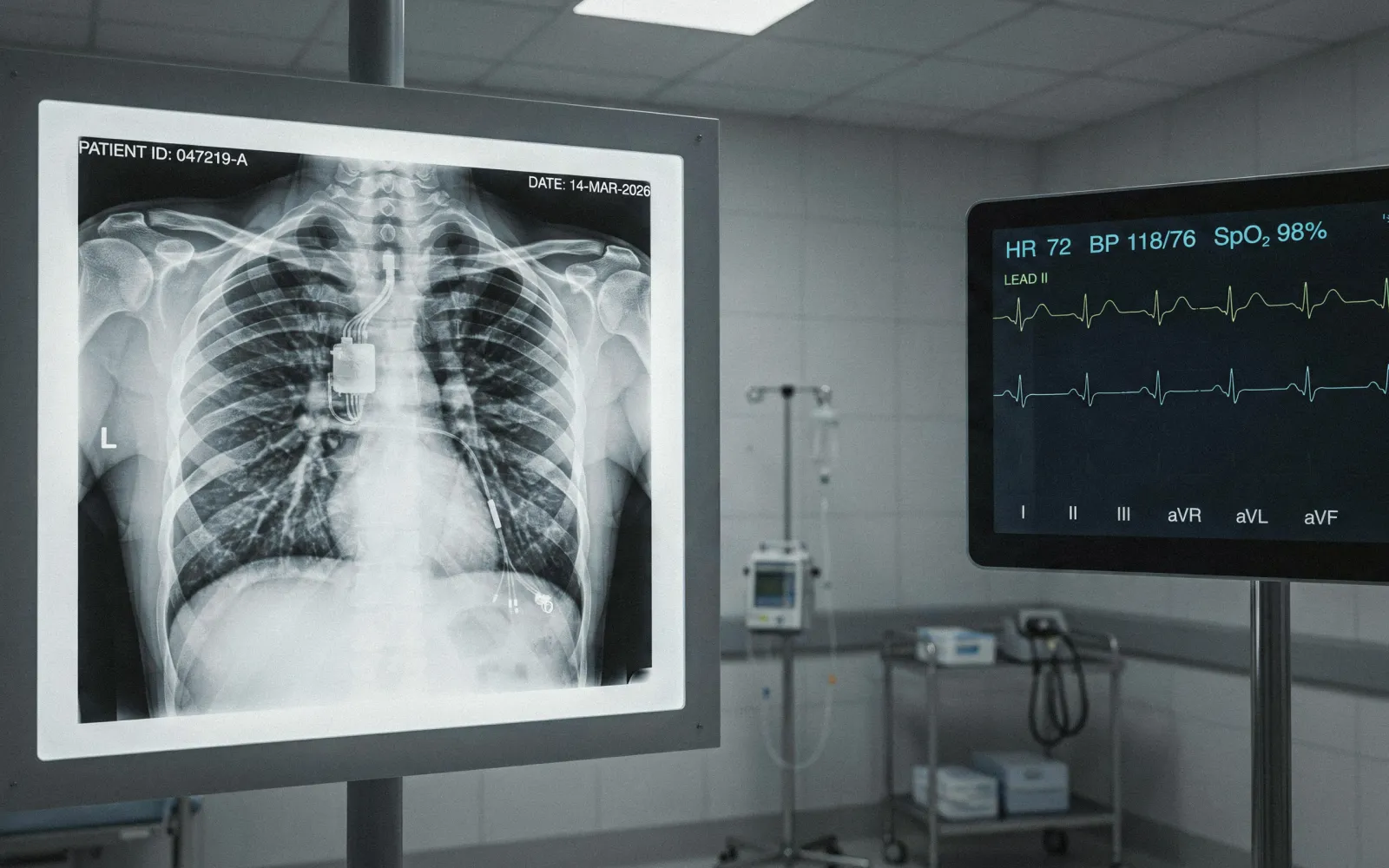
An ICD is a small, pacemaker‑like unit implanted beneath the skin near the collarbone. Thin leads connect the generator to the heart, enabling real‑time monitoring of electrical activity. When the device detects a life‑threatening rhythm such as ventricular fibrillation or tachycardia, it can deliver a series of small impulses or a stronger shock to restore normal rhythm. Importantly, the ICD does not prevent arrhythmias; it merely provides a rapid response when they arise.
ICDs are recommended for individuals who have survived a cardiac arrest or who are at high risk of sudden cardiac death. This includes people with inherited heart conditions, heart‑muscle disease, previous heart attacks, or disorders of the heart’s electrical system. The device’s battery typically lasts six to ten years, while the leads may require replacement every five to ten years.
Following an ICD intervention, clinicians review the device’s recordings to determine the cause of the event. In Eriksen’s case, doctors will likely interrogate the ICD, perform an electrocardiogram, blood tests, and an echocardiogram. These investigations help identify triggers such as worsening heart disease, dehydration, medication changes, or abnormal blood chemistry.
Athletes with ICDs require close monitoring because intense exercise can raise heart rate and blood pressure to levels that may challenge the device’s ability to distinguish between normal exertion and a dangerous rhythm. While many athletes can continue to play, regular follow‑up allows doctors to adjust device settings and manage symptoms.
The 2026 collapse occurred during a friendly match, a setting where the player’s heart rhythm was not being monitored in real time. Although the ICD may have delivered therapy, the device’s response is not instantaneous; blood flow to the brain can fall before the shock is delivered, potentially causing dizziness or brief loss of consciousness. Additionally, medications that lower blood pressure or slow the heart can contribute to fainting, especially if the athlete becomes dehydrated or experiences a sudden change in position.
Eriksen’s social media post following the 2021 arrest stated that the ICD “did exactly what it was designed to do: protect me when I needed it.” The device’s effectiveness in that instance was clear, but the 2026 incident underscores that an ICD is only one component of comprehensive cardiac care. It does not cure underlying conditions, and it does not guarantee that an athlete will never experience a blackout.
The Danish national team’s medical staff will likely review Eriksen’s condition closely before any future matches. The player’s club, VfL Wolfsburg, will also coordinate with cardiology specialists to determine his fitness for upcoming fixtures. The latest event has prompted discussions about the balance between athlete safety and competitive participation for players with ICDs.
In summary, Christian Eriksen’s recent collapse illustrates both the life‑saving potential of ICDs and their limitations. While the device can restore heart rhythm during a dangerous event, it cannot prevent all episodes of fainting or address the underlying heart condition. The Danish national team and VfL Wolfsburg will monitor Eriksen’s recovery and decide on his readiness for future games.
Eriksen’s path to the present moment began with a life‑threatening event on 12 June 2021, when he suffered a cardiac arrest in a Euro 2020 match. Resuscitated on the field, he was later fitted with an ICD – a device that continuously monitors heart rhythm and delivers a shock if a dangerous arrhythmia occurs. The implant has allowed him to resume professional football, yet the 2026 collapse demonstrates that an ICD does not eliminate all risks.
An ICD is a small, pacemaker‑like unit implanted beneath the skin near the collarbone. Thin leads connect the generator to the heart, enabling real‑time monitoring of electrical activity. When the device detects a life‑threatening rhythm such as ventricular fibrillation or tachycardia, it can deliver a series of small impulses or a stronger shock to restore normal rhythm. Importantly, the ICD does not prevent arrhythmias; it merely provides a rapid response when they arise.
ICDs are recommended for individuals who have survived a cardiac arrest or who are at high risk of sudden cardiac death. This includes people with inherited heart conditions, heart‑muscle disease, previous heart attacks, or disorders of the heart’s electrical system. The device’s battery typically lasts six to ten years, while the leads may require replacement every five to ten years.
Following an ICD intervention, clinicians review the device’s recordings to determine the cause of the event. In Eriksen’s case, doctors will likely interrogate the ICD, perform an electrocardiogram, blood tests, and an echocardiogram. These investigations help identify triggers such as worsening heart disease, dehydration, medication changes, or abnormal blood chemistry.
Athletes with ICDs require close monitoring because intense exercise can raise heart rate and blood pressure to levels that may challenge the device’s ability to distinguish between normal exertion and a dangerous rhythm. While many athletes can continue to play, regular follow‑up allows doctors to adjust device settings and manage symptoms.
The 2026 collapse occurred during a friendly match, a setting where the player’s heart rhythm was not being monitored in real time. Although the ICD may have delivered therapy, the device’s response is not instantaneous; blood flow to the brain can fall before the shock is delivered, potentially causing dizziness or brief loss of consciousness. Additionally, medications that lower blood pressure or slow the heart can contribute to fainting, especially if the athlete becomes dehydrated or experiences a sudden change in position.
Eriksen’s social media post following the 2021 arrest stated that the ICD “did exactly what it was designed to do: protect me when I needed it.” The device’s effectiveness in that instance was clear, but the 2026 incident underscores that an ICD is only one component of comprehensive cardiac care. It does not cure underlying conditions, and it does not guarantee that an athlete will never experience a blackout.
The Danish national team’s medical staff will likely review Eriksen’s condition closely before any future matches. The player’s club, VfL Wolfsburg, will also coordinate with cardiology specialists to determine his fitness for upcoming fixtures. The latest event has prompted discussions about the balance between athlete safety and competitive participation for players with ICDs.
In summary, Christian Eriksen’s recent collapse illustrates both the life‑saving potential of ICDs and their limitations. While the device can restore heart rhythm during a dangerous event, it cannot prevent all episodes of fainting or address the underlying heart condition. The Danish national team and VfL Wolfsburg will monitor Eriksen’s recovery and decide on his readiness for future games.