Blab Sports
Infantino Defends Visa Denials and Ticket Prices Ahead of 2026 World Cup
On the eve of the 2026 World Cup opener, FIFA president Gianni Infantino stepped onto the stage to tackle two flashpoints that have rattled fans and officials alike: the denial of a U.S. visa to Somali referee Omar Abdulkadir Artan and the steep cost of tickets for the tournament’s expanded 48‑team format.
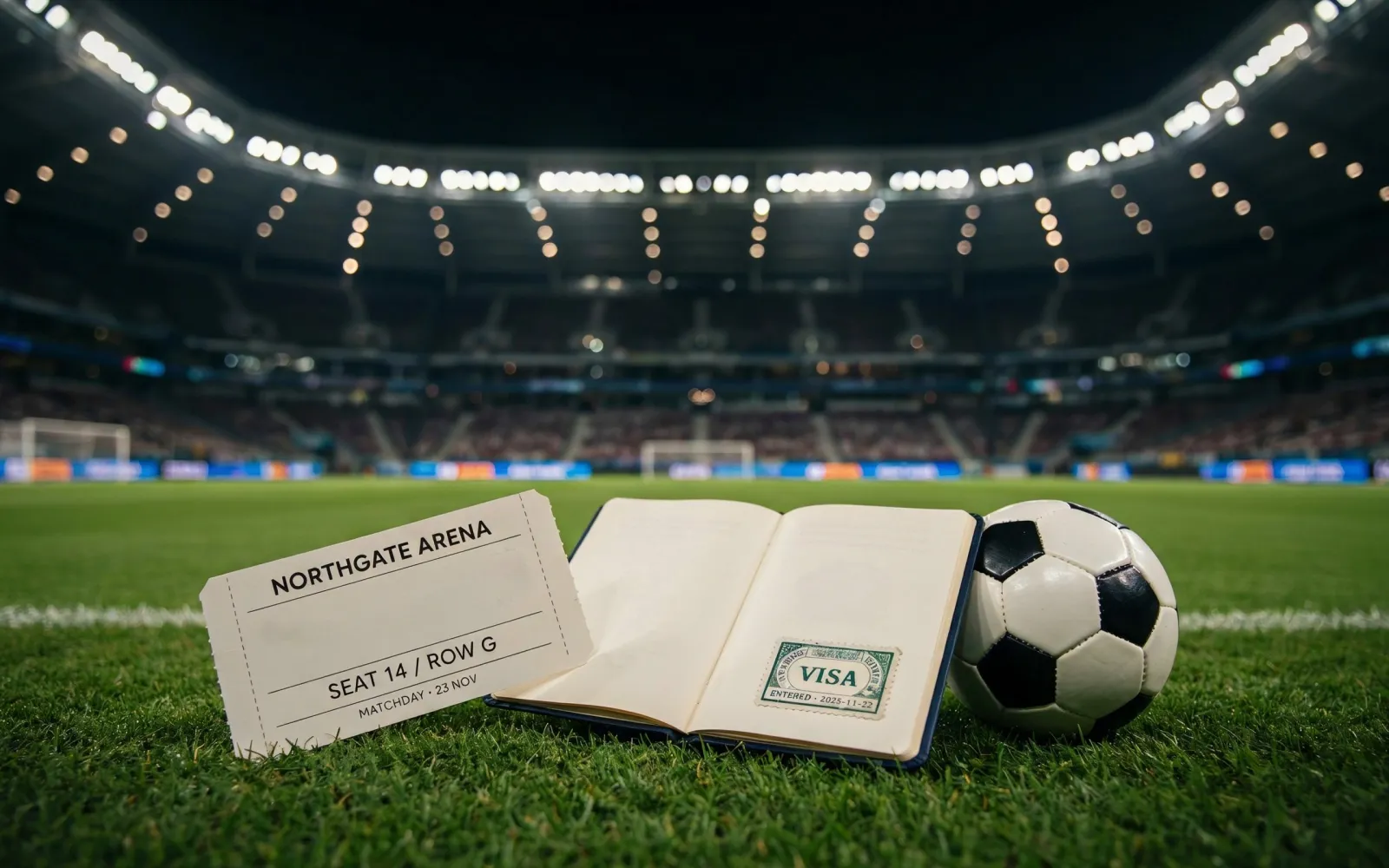
The first controversy centers on Artan, who was barred from entering the United States despite holding a valid visa. U.S. authorities cited his “association with suspected members of terror organisations” as the reason for the denial. Infantino said FIFA was working behind the scenes to resolve the situation but that immigration decisions ultimately rest with national governments. He added, “Sometimes to immediately start screaming and shouting has the opposite effect of finding a solution.” The incident underscores the broader challenge of U.S. visa policy for the World Cup, which will involve teams, officials and fans traveling to three host countries.
When asked whether the visa controversy had made him regret selecting the United States as a host, Infantino replied that he had no regrets. He described the issues as “normal for an event of this magnitude” and noted that similar problems were present in Canada and Mexico. He also pointed to Iran’s participation as evidence that FIFA can navigate complex political circumstances. “People were saying Iran couldn’t come to the World Cup,” he said. “I promised them they will come.”
Ticket pricing has also been a point of contention. Infantino defended the price structure by citing the scale of the tournament and the demand for seats. FIFA has sold more than six million tickets, and demand had exceeded expectations by a factor of ten or more. According to Infantino, the starting price of $140 (about €121) is the lowest entry price for any American sports playoff phase. He argued that a lower price would push tickets onto secondary markets at higher prices, and that every dollar earned is reinvested into football development.
The 2026 World Cup, the 23rd edition of the competition, will feature 48 teams and 104 matches across 16 cities—eleven in the United States, three in Mexico and two in Canada. The opening match will take place at Estadio Azteca in Mexico City, making the venue the first stadium to host matches at three men’s World Cups. Infantino said factors such as altitude, climate, travel and the expanded format would add unpredictability to the tournament. He concluded the press conference with, “Let the celebration begin.”
The tournament’s expanded format and three‑host arrangement have raised logistical questions, but FIFA’s statements suggest that the organization is prepared to manage the challenges. The visa issue remains unresolved for Artan, who is currently based in Istanbul, and it is unclear whether he will be able to officiate any matches. Ticket sales continue to be strong, with the first batch of tickets sold at $140 and the final priced between $2,030 and $6,000, according to secondary sources.
As the World Cup approaches, the focus will shift to the opening match on Thursday and the subsequent games that will determine the path to the final on July 19. The unresolved visa situation for Artan and the broader U.S. visa policy for fans and officials remain key issues that could affect participation and attendance. FIFA’s ticket pricing strategy, while defended by Infantino, will continue to be scrutinized by supporters who feel the cost is prohibitive. The tournament’s success will depend on how these logistical and political challenges are addressed in the coming weeks.
The first controversy centers on Artan, who was barred from entering the United States despite holding a valid visa. U.S. authorities cited his “association with suspected members of terror organisations” as the reason for the denial. Infantino said FIFA was working behind the scenes to resolve the situation but that immigration decisions ultimately rest with national governments. He added, “Sometimes to immediately start screaming and shouting has the opposite effect of finding a solution.” The incident underscores the broader challenge of U.S. visa policy for the World Cup, which will involve teams, officials and fans traveling to three host countries.
When asked whether the visa controversy had made him regret selecting the United States as a host, Infantino replied that he had no regrets. He described the issues as “normal for an event of this magnitude” and noted that similar problems were present in Canada and Mexico. He also pointed to Iran’s participation as evidence that FIFA can navigate complex political circumstances. “People were saying Iran couldn’t come to the World Cup,” he said. “I promised them they will come.”
Ticket pricing has also been a point of contention. Infantino defended the price structure by citing the scale of the tournament and the demand for seats. FIFA has sold more than six million tickets, and demand had exceeded expectations by a factor of ten or more. According to Infantino, the starting price of $140 (about €121) is the lowest entry price for any American sports playoff phase. He argued that a lower price would push tickets onto secondary markets at higher prices, and that every dollar earned is reinvested into football development.
The 2026 World Cup, the 23rd edition of the competition, will feature 48 teams and 104 matches across 16 cities—eleven in the United States, three in Mexico and two in Canada. The opening match will take place at Estadio Azteca in Mexico City, making the venue the first stadium to host matches at three men’s World Cups. Infantino said factors such as altitude, climate, travel and the expanded format would add unpredictability to the tournament. He concluded the press conference with, “Let the celebration begin.”
The tournament’s expanded format and three‑host arrangement have raised logistical questions, but FIFA’s statements suggest that the organization is prepared to manage the challenges. The visa issue remains unresolved for Artan, who is currently based in Istanbul, and it is unclear whether he will be able to officiate any matches. Ticket sales continue to be strong, with the first batch of tickets sold at $140 and the final priced between $2,030 and $6,000, according to secondary sources.
As the World Cup approaches, the focus will shift to the opening match on Thursday and the subsequent games that will determine the path to the final on July 19. The unresolved visa situation for Artan and the broader U.S. visa policy for fans and officials remain key issues that could affect participation and attendance. FIFA’s ticket pricing strategy, while defended by Infantino, will continue to be scrutinized by supporters who feel the cost is prohibitive. The tournament’s success will depend on how these logistical and political challenges are addressed in the coming weeks.