Blab Sports
FIFA Defends Attendance Figures as Empty Seats Spark Ticket-Pricing Debate
The 2‑1 triumph of South Korea over the Czech Republic in Group A of the 2026 FIFA World Cup was quickly eclipsed by a visual glitch that ignited a debate about stadium attendance.
In the days after the match, television footage revealed rows of vacant seats at Estadio Akron in Guadalajara. FIFA responded on the same day with an official statement that clarified how the 44,985 figure was derived. The governing body explained that attendance is calculated from tickets scanned and spectators physically present within the stadium footprint, rather than from a visual assessment of seating occupancy.
The explanation also highlighted fan movement as a key factor. FIFA said that “several ticketed fans could be seen standing in concourses rather than staying in their assigned seats throughout the match.” The statement reiterated that the organization works closely with stadium authorities and ticketing teams to ensure that all published figures are based on verified operational data.
The match itself was a showcase of competitive football. Czech Republic opened the scoring through Ladislav Krejci, but South Korea answered in the second half. Hwang In‑beom equalised, and Oh Hyeon‑gyu sealed the win with a late goal. Supporters from both nations created a lively atmosphere, and the game was widely described as a true World Cup occasion.
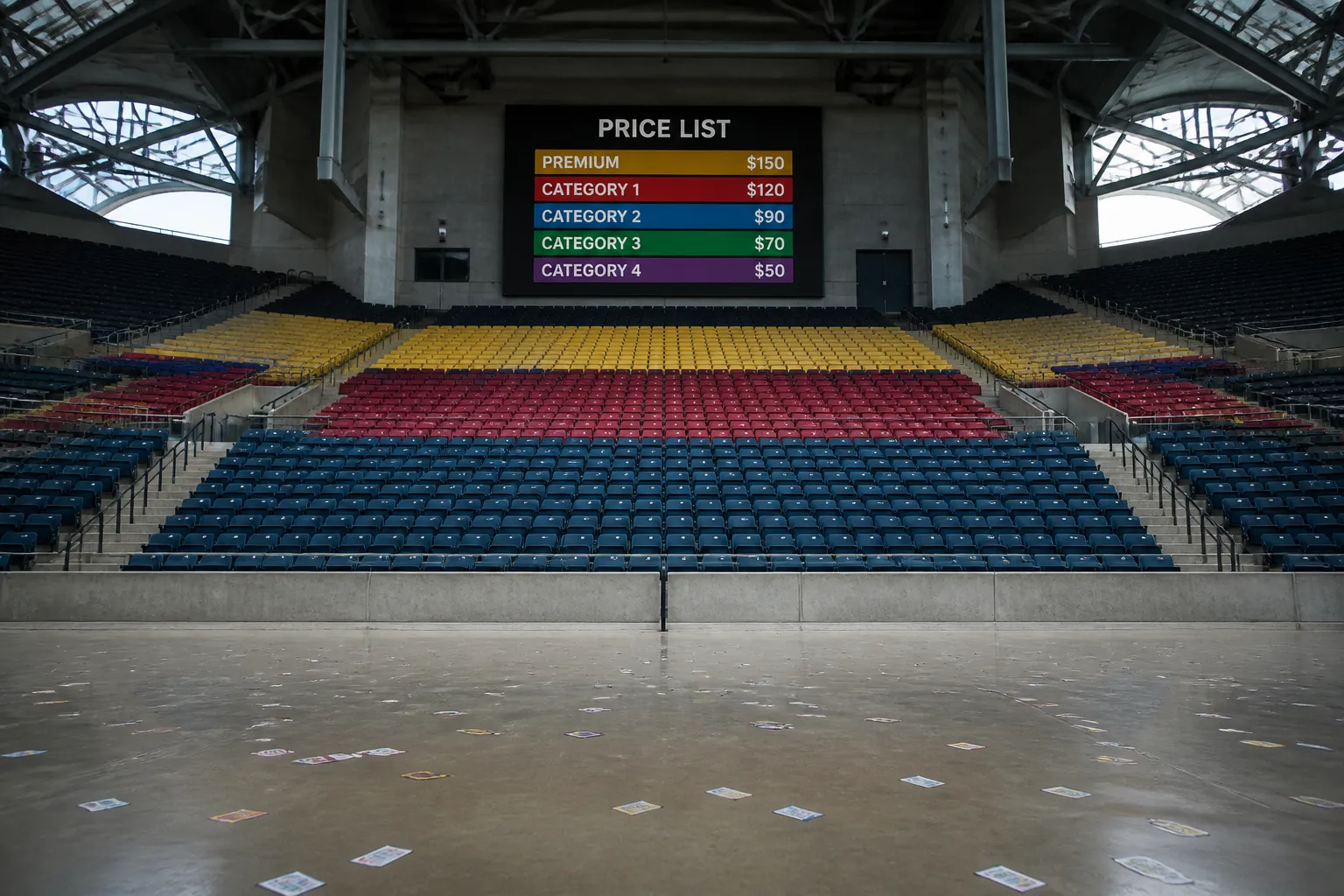
The empty‑seat controversy feeds into a longer‑standing debate over FIFA’s ticket‑pricing strategy for the 2026 tournament. The 48‑team competition, hosted jointly by the United States, Mexico and Canada, has seen ticket prices rise significantly compared with previous editions. FIFA’s use of dynamic pricing – a model that adjusts prices based on demand – has attracted particular criticism from fan groups such as Football Supporters Europe.
According to reports, FIFA had sold more than six million tickets across the competition and announced that around 180,000 tickets remained available on its official resale platform. FIFA president Gianni Infantino defended the strategy, stating that demand had exceeded expectations. The controversy resurfaced when television broadcasts of the South Korea‑Czech Republic match showed several sections of the 49,850‑seat Estadio Akron with visible gaps.
Similar concerns have surfaced at previous World Cups. In 2010, 2014, 2018 and 2022, official attendance figures were often higher than what viewers perceived on broadcast images. The 2026 tournament is the first to be hosted by three nations and the first to feature 48 teams, adding complexity to ticket distribution and pricing.
FIFA maintains that its attendance numbers are accurate and based on verified operational data. The organization has not announced any changes to its ticketing policy following the backlash. However, the visibility of empty seats is likely to keep the debate alive as the tournament progresses.
The South Korean side remains in a strong position early in Group A, while the Czech Republic will look to recover in their next match. The next game for South Korea is scheduled for June 14 against Mexico, a fixture that will test the team’s resilience after the dramatic comeback.
As the World Cup continues, fans and observers will watch closely to see whether FIFA’s attendance figures hold up under scrutiny and whether the dynamic‑pricing model will be adjusted to address the growing concern over ticket affordability.
The debate over empty seats and ticket pricing is a reminder that the World Cup’s commercial success is intertwined with fan access and experience. FIFA’s handling of the issue will be a key factor in shaping the tournament’s legacy.
In the days after the match, television footage revealed rows of vacant seats at Estadio Akron in Guadalajara. FIFA responded on the same day with an official statement that clarified how the 44,985 figure was derived. The governing body explained that attendance is calculated from tickets scanned and spectators physically present within the stadium footprint, rather than from a visual assessment of seating occupancy.
The explanation also highlighted fan movement as a key factor. FIFA said that “several ticketed fans could be seen standing in concourses rather than staying in their assigned seats throughout the match.” The statement reiterated that the organization works closely with stadium authorities and ticketing teams to ensure that all published figures are based on verified operational data.
The match itself was a showcase of competitive football. Czech Republic opened the scoring through Ladislav Krejci, but South Korea answered in the second half. Hwang In‑beom equalised, and Oh Hyeon‑gyu sealed the win with a late goal. Supporters from both nations created a lively atmosphere, and the game was widely described as a true World Cup occasion.
The empty‑seat controversy feeds into a longer‑standing debate over FIFA’s ticket‑pricing strategy for the 2026 tournament. The 48‑team competition, hosted jointly by the United States, Mexico and Canada, has seen ticket prices rise significantly compared with previous editions. FIFA’s use of dynamic pricing – a model that adjusts prices based on demand – has attracted particular criticism from fan groups such as Football Supporters Europe.
According to reports, FIFA had sold more than six million tickets across the competition and announced that around 180,000 tickets remained available on its official resale platform. FIFA president Gianni Infantino defended the strategy, stating that demand had exceeded expectations. The controversy resurfaced when television broadcasts of the South Korea‑Czech Republic match showed several sections of the 49,850‑seat Estadio Akron with visible gaps.
Similar concerns have surfaced at previous World Cups. In 2010, 2014, 2018 and 2022, official attendance figures were often higher than what viewers perceived on broadcast images. The 2026 tournament is the first to be hosted by three nations and the first to feature 48 teams, adding complexity to ticket distribution and pricing.
FIFA maintains that its attendance numbers are accurate and based on verified operational data. The organization has not announced any changes to its ticketing policy following the backlash. However, the visibility of empty seats is likely to keep the debate alive as the tournament progresses.
The South Korean side remains in a strong position early in Group A, while the Czech Republic will look to recover in their next match. The next game for South Korea is scheduled for June 14 against Mexico, a fixture that will test the team’s resilience after the dramatic comeback.
As the World Cup continues, fans and observers will watch closely to see whether FIFA’s attendance figures hold up under scrutiny and whether the dynamic‑pricing model will be adjusted to address the growing concern over ticket affordability.
The debate over empty seats and ticket pricing is a reminder that the World Cup’s commercial success is intertwined with fan access and experience. FIFA’s handling of the issue will be a key factor in shaping the tournament’s legacy.