Blab Sports
Iran Prepares for World Cup Clash Amid Geopolitical Turbulence
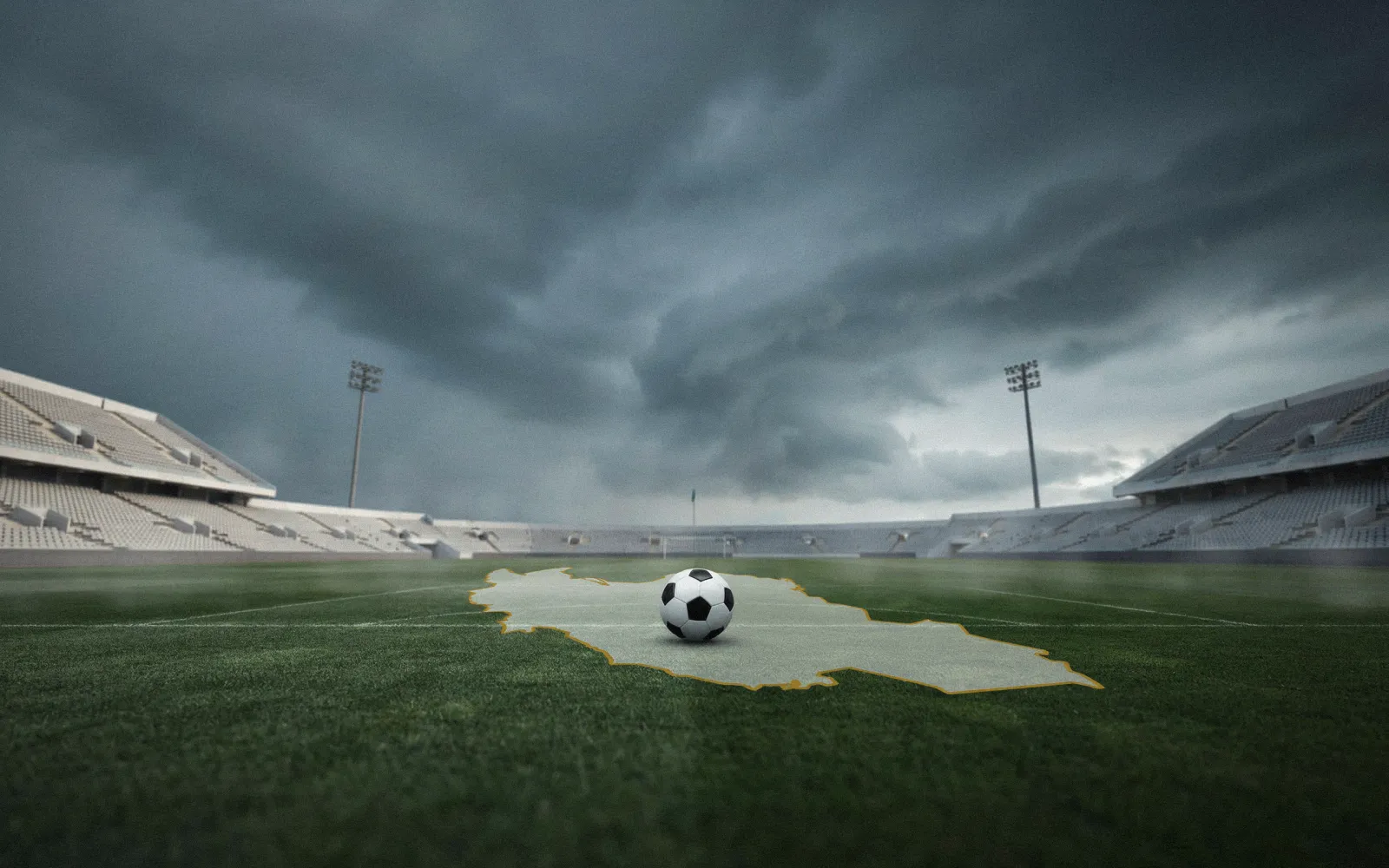
On June 16, 2026, as the world’s attention turns to the 48‑team FIFA World Cup, Iran’s national side—known as Team Melli—will face New Zealand in Group B at the historic Estadio Azteca in Mexico City. The match arrives at a time when the country is navigating a complex mix of diplomatic negotiations, regional conflict, and domestic unrest that shape the national mood.
The 2026 tournament is the first to expand to 48 teams and is being staged jointly by the United States, Mexico, and Canada. It marks Iran’s seventh appearance on football’s biggest stage. The nation’s most celebrated moment came in 1998, when it defeated the United States in Lyon—a victory that lifted spirits across Tehran and became a symbol of unity after the 1979 revolution and the Iran–Iraq war. Since then, Iran has qualified for 2006, 2014, 2018, 2019, 2022, and 2026, but has never advanced beyond the group stage.
Geopolitical tensions have reached a high point. Negotiations in Geneva and Washington are underway to reopen the Strait of Hormuz, a vital maritime corridor that has long been a flashpoint for Iranian‑U.S. relations. The U.S. and Iran recently reached a ceasefire agreement that will allow the strait to reopen, but the deal follows a period of military escalation in the region, including Israeli airstrikes on Hezbollah positions in Beirut’s Dahiyeh neighborhood. The conflict between Israel and Hezbollah has intensified pressure on Iran, which many observers see as a key supporter of the group.
Domestically, the country has suffered severe crackdowns following the “Woman, Life, Freedom” protests. Thousands of citizens were killed, tens of thousands imprisoned, and a wave of state‑sanctioned executions has been reported. In response, the Football Federation Islamic Republic of Iran has leveraged the national team as a tool of state propaganda, broadcasting images of players in state‑approved rallies and incorporating revolutionary slogans into team promotion. This politicization has alienated segments of the fan base, with some supporters refusing to cheer for the team, viewing it as an extension of an oppressive regime.
Team Melli’s 2026 squad includes high‑profile players such as Inter Milan forward Sardar Azmoun, who scored against England in 2022. The team has faced logistical challenges, including visa issues for delegation members; four staff members won appeals against U.S. visa denials, according to BBC reports. The players also navigate heightened scrutiny that comes with representing a nation under international sanctions and amid ongoing diplomatic negotiations.
As the tournament approaches, Iran’s performance will be watched closely both on the field and off it. The upcoming match against New Zealand is not only a test of footballing skill but also a moment that could reflect how the country’s political climate influences its sporting representation. The outcome will have implications for Iran’s standing in the group, potential advancement to the knockout stages, and the broader narrative of how sport intersects with geopolitics in a region marked by conflict and change.
The 2026 tournament is the first to expand to 48 teams and is being staged jointly by the United States, Mexico, and Canada. It marks Iran’s seventh appearance on football’s biggest stage. The nation’s most celebrated moment came in 1998, when it defeated the United States in Lyon—a victory that lifted spirits across Tehran and became a symbol of unity after the 1979 revolution and the Iran–Iraq war. Since then, Iran has qualified for 2006, 2014, 2018, 2019, 2022, and 2026, but has never advanced beyond the group stage.
Geopolitical tensions have reached a high point. Negotiations in Geneva and Washington are underway to reopen the Strait of Hormuz, a vital maritime corridor that has long been a flashpoint for Iranian‑U.S. relations. The U.S. and Iran recently reached a ceasefire agreement that will allow the strait to reopen, but the deal follows a period of military escalation in the region, including Israeli airstrikes on Hezbollah positions in Beirut’s Dahiyeh neighborhood. The conflict between Israel and Hezbollah has intensified pressure on Iran, which many observers see as a key supporter of the group.
Domestically, the country has suffered severe crackdowns following the “Woman, Life, Freedom” protests. Thousands of citizens were killed, tens of thousands imprisoned, and a wave of state‑sanctioned executions has been reported. In response, the Football Federation Islamic Republic of Iran has leveraged the national team as a tool of state propaganda, broadcasting images of players in state‑approved rallies and incorporating revolutionary slogans into team promotion. This politicization has alienated segments of the fan base, with some supporters refusing to cheer for the team, viewing it as an extension of an oppressive regime.
Team Melli’s 2026 squad includes high‑profile players such as Inter Milan forward Sardar Azmoun, who scored against England in 2022. The team has faced logistical challenges, including visa issues for delegation members; four staff members won appeals against U.S. visa denials, according to BBC reports. The players also navigate heightened scrutiny that comes with representing a nation under international sanctions and amid ongoing diplomatic negotiations.
As the tournament approaches, Iran’s performance will be watched closely both on the field and off it. The upcoming match against New Zealand is not only a test of footballing skill but also a moment that could reflect how the country’s political climate influences its sporting representation. The outcome will have implications for Iran’s standing in the group, potential advancement to the knockout stages, and the broader narrative of how sport intersects with geopolitics in a region marked by conflict and change.