Blab Sports
Cherokee Athlete Sydney Lawrence Inducted into North American Indigenous Athletics Hall of Fame
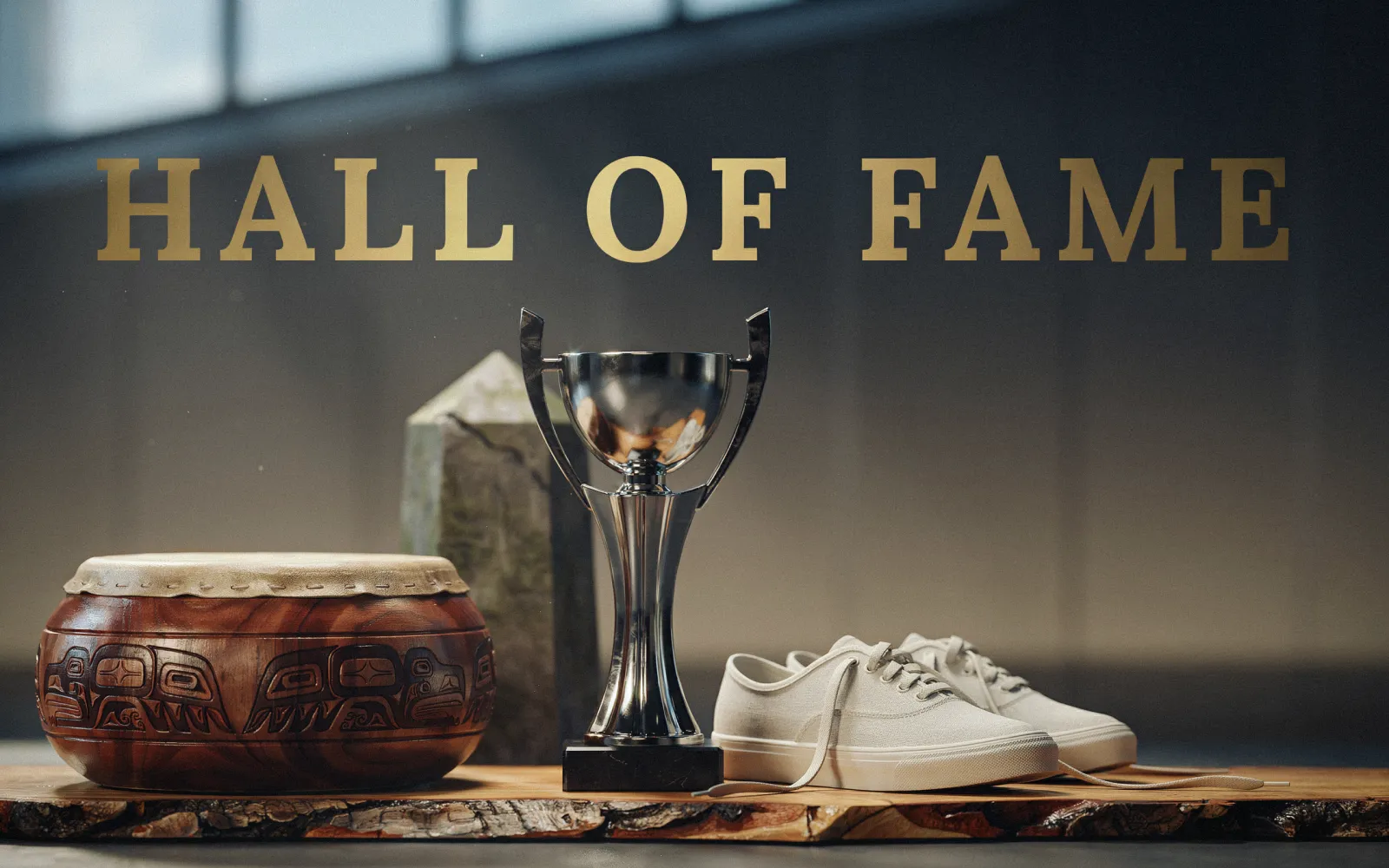
On a crisp May afternoon in Green Bay, a 29‑year‑old Cherokee Nation athlete stepped onto a stage that had already carried the names of legends. Sydney Lawrence, a lifelong runner from Stilwell, Oklahoma, was formally inducted into the North American Indigenous Athletics Hall of Fame (NAIAHF) on May 30 at the Green Bay Convention Center.
The ceremony was a celebration of Lawrence’s long‑standing contributions to cross‑country, track and field, and her recent forays into endurance sports. Her name was added to a roll of honor that spans North America and showcases Indigenous athletes who have shattered barriers in a wide array of disciplines.
Lawrence’s journey began in her hometown, where she became the first athlete in Stilwell High School’s history to earn all‑state cross‑country honors. She broke new ground by capturing multiple state titles—two in track and field and two in cross country—setting a standard that future Stilwell athletes would aspire to.
After graduation, Lawrence joined Oklahoma Baptist University (OBU). In her sophomore year she captured the 3,000‑meter championship title at the National Christian College Athletic Association (NCCAA) Track Championships. The following season she earned NCAA Division II All‑American honors by finishing in the top 40 at the National Championship in Evansville, Indiana. That junior year also saw her earn Great American Conference honors and podium finishes at conference, regional, and national levels.
In 2020, Lawrence shifted her focus to academics, enrolling at Samford University in Birmingham, Alabama, to pursue a Doctor of Physical Therapy. She graduated in 2023, began working, and discovered a passion for triathlon. She competed in the XTERRA North American Championship in Birmingham, where she qualified for the XTERRA World Championship in Molveno, Italy.
During the NAIAHF ceremony, Lawrence reflected on the moment: “It was really cool and really an honor to be there with a lot of great athletes, coaches and teams. I honestly didn’t know what to expect, but I enjoyed the experience and glad my dad (Larry Lawrence) was there to enjoy it with me.” She also highlighted her favorite part of the night: “I added her favorite part of the hall of fame event was seeing all of the inductees and learning about their accomplishments.” The event brought together inductees from across North America, celebrating Indigenous athletes who have excelled in a variety of sports.
Lawrence noted that meeting fellow Cherokee Nation citizen Jerad Phillips—an NFL referee from Delaware County—was particularly meaningful. “He was super kind and easy to relate to being from northeast Oklahoma and also a Cherokee citizen,” she said.
The Hall of Fame’s inductees include athletes who have broken barriers in track, field, and other sports. Lawrence’s inclusion underscores the growing recognition of Indigenous athletes who have achieved national and international success.
Beyond her athletic accomplishments, Lawrence currently resides in northwest Arkansas, where she works as a physical therapist. In her spare time she continues to run and participate in endurance sports, maintaining the high level of fitness that has defined her career.
The NAIAHF induction ceremony on May 30 not only celebrated Lawrence’s individual achievements but also highlighted the broader impact of Indigenous athletes on the sporting landscape. By honoring her legacy, the Hall of Fame reinforces the importance of representation and excellence in athletics for Indigenous communities across North America.
As Lawrence prepares for future competitions, her story serves as an inspiration for young athletes from Cherokee Nation and other Indigenous groups. The Hall of Fame’s recognition of her career provides a platform for continued dialogue about the role of Indigenous athletes in shaping the future of sports.
The induction ceremony concluded with a presentation of the Hall of Fame plaque and a group photo of the inductees. Lawrence’s journey—from a high‑school trailblazer in Stilwell to a national champion and world‑class triathlete—illustrates the diverse pathways Indigenous athletes can pursue while maintaining cultural pride and athletic excellence.
The ceremony was a celebration of Lawrence’s long‑standing contributions to cross‑country, track and field, and her recent forays into endurance sports. Her name was added to a roll of honor that spans North America and showcases Indigenous athletes who have shattered barriers in a wide array of disciplines.
Lawrence’s journey began in her hometown, where she became the first athlete in Stilwell High School’s history to earn all‑state cross‑country honors. She broke new ground by capturing multiple state titles—two in track and field and two in cross country—setting a standard that future Stilwell athletes would aspire to.
After graduation, Lawrence joined Oklahoma Baptist University (OBU). In her sophomore year she captured the 3,000‑meter championship title at the National Christian College Athletic Association (NCCAA) Track Championships. The following season she earned NCAA Division II All‑American honors by finishing in the top 40 at the National Championship in Evansville, Indiana. That junior year also saw her earn Great American Conference honors and podium finishes at conference, regional, and national levels.
In 2020, Lawrence shifted her focus to academics, enrolling at Samford University in Birmingham, Alabama, to pursue a Doctor of Physical Therapy. She graduated in 2023, began working, and discovered a passion for triathlon. She competed in the XTERRA North American Championship in Birmingham, where she qualified for the XTERRA World Championship in Molveno, Italy.
During the NAIAHF ceremony, Lawrence reflected on the moment: “It was really cool and really an honor to be there with a lot of great athletes, coaches and teams. I honestly didn’t know what to expect, but I enjoyed the experience and glad my dad (Larry Lawrence) was there to enjoy it with me.” She also highlighted her favorite part of the night: “I added her favorite part of the hall of fame event was seeing all of the inductees and learning about their accomplishments.” The event brought together inductees from across North America, celebrating Indigenous athletes who have excelled in a variety of sports.
Lawrence noted that meeting fellow Cherokee Nation citizen Jerad Phillips—an NFL referee from Delaware County—was particularly meaningful. “He was super kind and easy to relate to being from northeast Oklahoma and also a Cherokee citizen,” she said.
The Hall of Fame’s inductees include athletes who have broken barriers in track, field, and other sports. Lawrence’s inclusion underscores the growing recognition of Indigenous athletes who have achieved national and international success.
Beyond her athletic accomplishments, Lawrence currently resides in northwest Arkansas, where she works as a physical therapist. In her spare time she continues to run and participate in endurance sports, maintaining the high level of fitness that has defined her career.
The NAIAHF induction ceremony on May 30 not only celebrated Lawrence’s individual achievements but also highlighted the broader impact of Indigenous athletes on the sporting landscape. By honoring her legacy, the Hall of Fame reinforces the importance of representation and excellence in athletics for Indigenous communities across North America.
As Lawrence prepares for future competitions, her story serves as an inspiration for young athletes from Cherokee Nation and other Indigenous groups. The Hall of Fame’s recognition of her career provides a platform for continued dialogue about the role of Indigenous athletes in shaping the future of sports.
The induction ceremony concluded with a presentation of the Hall of Fame plaque and a group photo of the inductees. Lawrence’s journey—from a high‑school trailblazer in Stilwell to a national champion and world‑class triathlete—illustrates the diverse pathways Indigenous athletes can pursue while maintaining cultural pride and athletic excellence.