Blab Sports
Algeria Returns to World Cup 2026 After 12-Year Absence, Eyes Group J Test
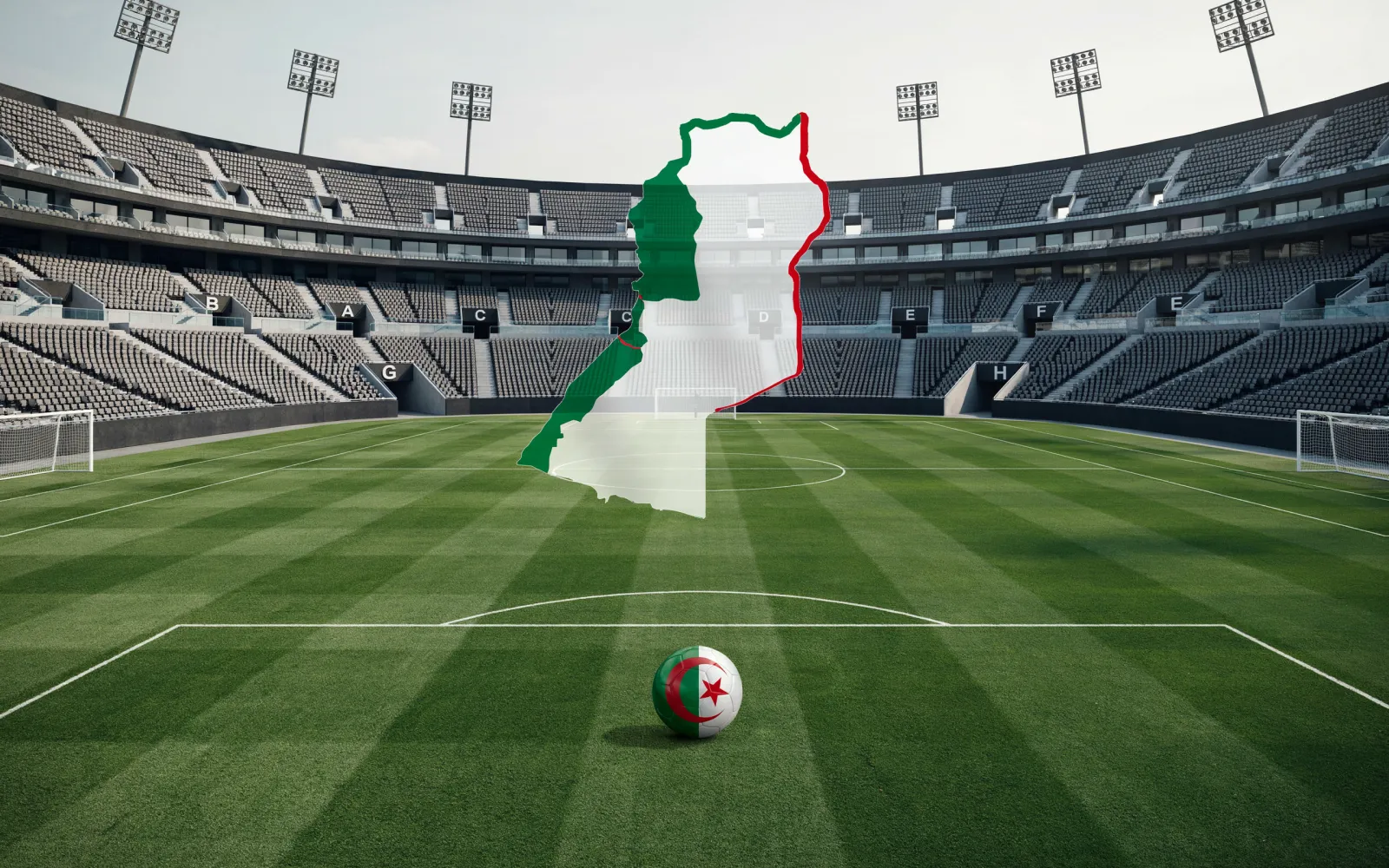
Algeria has punched its ticket back to the world’s biggest football stage, breaking a 12‑year drought and stepping onto the 48‑team field for the first time. The Fennecs, led by head coach Vladimir Petkovic and captain Riyad Mahrez, will open their campaign in Group J against the reigning champions Argentina, Austria and Jordan.
The nation’s return follows a dominant CAF Group G qualification run. Algeria finished first with 25 points from 10 matches, winning eight games, drawing once and losing only to Guinea. They netted 24 goals – ten more than any other side in the group – and were topped by Wolfsburg striker Mohamed Amoura, who finished the African phase with ten goals, including a decisive 3‑0 victory over Somalia.
Petkovic, who took the helm in early 2024 after a seven‑year stint with Switzerland that saw several knockout‑stage appearances, has installed a structured 4‑2‑3‑1 that can morph into a fluid 4‑3‑3 when the team owns the ball. The system relies on high‑energy pressing, wide playmakers operating in the half‑spaces, and a double pivot in midfield – usually anchored by Hicham Boudaoui or Farès Chaïbi – to recover possession and shield the backline.
The squad, announced on 31 May 2026, comprises 23 players from clubs across Europe and the Middle East. Key names include Riyad Mahrez of Al‑Ahli, who has 113 caps and 38 goals for Algeria, and Mohamed Amoura of VfL Wolfsburg. The front line will also feature Amine Gouiri of Marseille and Anis Hadj Moussa of Feyenoord. Goalkeeping options span Oussama Benbot (USM Alger), Luca Zidane (Granada) and Melvin Mastil (Stade Nyonnais). Defenders bring a mix of domestic and European experience, highlighted by Ramy Bensebaini (Borussia Dortmund) and Rayan Aït‑Nouri (Manchester City).
Algeria’s aggressive style can dominate possession against weaker opponents, but the high‑pressing approach may leave gaps on the counter. Rapid counterattacks from elite teams could exploit these spaces, making defensive discipline a critical factor in the group stage.
Group J presents a demanding path. The opening match on 17 June 2026 at Kansas City Stadium will pit the Fennecs against Argentina, a side that has consistently applied a patient, possession‑based approach in recent tournaments. A strong defensive performance will be required to secure a positive result. The second fixture on 22 June will face Austria, a European side contesting the group’s second automatic qualification spot. The third match on 27 June will be against Jordan, a team that offers a comparatively easier opportunity to earn points and improve goal difference.
Algeria’s preparation has focused on building squad cohesion and adapting to the physical demands of the new tactical system. The national federation confirmed that Petkovic will continue beyond the 2026 tournament, with a formal contract extension expected soon.
With a potent attacking lineup and a disciplined midfield core, the Fennecs are positioned to challenge for a place in the knockout rounds. Success will hinge on maintaining defensive solidity against top‑tier opposition and capitalising on scoring opportunities. The next few weeks will see the team fine‑tune its approach ahead of the first group match and the broader 2026 World Cup schedule.
The tournament will run from 11 June to 19 July 2026 across 16 cities in the United States, Mexico and Canada. Algeria’s next game, a test against Argentina, will be a key moment for the nation’s footballing ambitions and a chance to extend the legacy begun in 2014.
The nation’s return follows a dominant CAF Group G qualification run. Algeria finished first with 25 points from 10 matches, winning eight games, drawing once and losing only to Guinea. They netted 24 goals – ten more than any other side in the group – and were topped by Wolfsburg striker Mohamed Amoura, who finished the African phase with ten goals, including a decisive 3‑0 victory over Somalia.
Petkovic, who took the helm in early 2024 after a seven‑year stint with Switzerland that saw several knockout‑stage appearances, has installed a structured 4‑2‑3‑1 that can morph into a fluid 4‑3‑3 when the team owns the ball. The system relies on high‑energy pressing, wide playmakers operating in the half‑spaces, and a double pivot in midfield – usually anchored by Hicham Boudaoui or Farès Chaïbi – to recover possession and shield the backline.
The squad, announced on 31 May 2026, comprises 23 players from clubs across Europe and the Middle East. Key names include Riyad Mahrez of Al‑Ahli, who has 113 caps and 38 goals for Algeria, and Mohamed Amoura of VfL Wolfsburg. The front line will also feature Amine Gouiri of Marseille and Anis Hadj Moussa of Feyenoord. Goalkeeping options span Oussama Benbot (USM Alger), Luca Zidane (Granada) and Melvin Mastil (Stade Nyonnais). Defenders bring a mix of domestic and European experience, highlighted by Ramy Bensebaini (Borussia Dortmund) and Rayan Aït‑Nouri (Manchester City).
Algeria’s aggressive style can dominate possession against weaker opponents, but the high‑pressing approach may leave gaps on the counter. Rapid counterattacks from elite teams could exploit these spaces, making defensive discipline a critical factor in the group stage.
Group J presents a demanding path. The opening match on 17 June 2026 at Kansas City Stadium will pit the Fennecs against Argentina, a side that has consistently applied a patient, possession‑based approach in recent tournaments. A strong defensive performance will be required to secure a positive result. The second fixture on 22 June will face Austria, a European side contesting the group’s second automatic qualification spot. The third match on 27 June will be against Jordan, a team that offers a comparatively easier opportunity to earn points and improve goal difference.
Algeria’s preparation has focused on building squad cohesion and adapting to the physical demands of the new tactical system. The national federation confirmed that Petkovic will continue beyond the 2026 tournament, with a formal contract extension expected soon.
With a potent attacking lineup and a disciplined midfield core, the Fennecs are positioned to challenge for a place in the knockout rounds. Success will hinge on maintaining defensive solidity against top‑tier opposition and capitalising on scoring opportunities. The next few weeks will see the team fine‑tune its approach ahead of the first group match and the broader 2026 World Cup schedule.
The tournament will run from 11 June to 19 July 2026 across 16 cities in the United States, Mexico and Canada. Algeria’s next game, a test against Argentina, will be a key moment for the nation’s footballing ambitions and a chance to extend the legacy begun in 2014.