Blab Sports
Scotlands Tartan Army Lights Up Boston and Miami as World Cup 2026 Begins
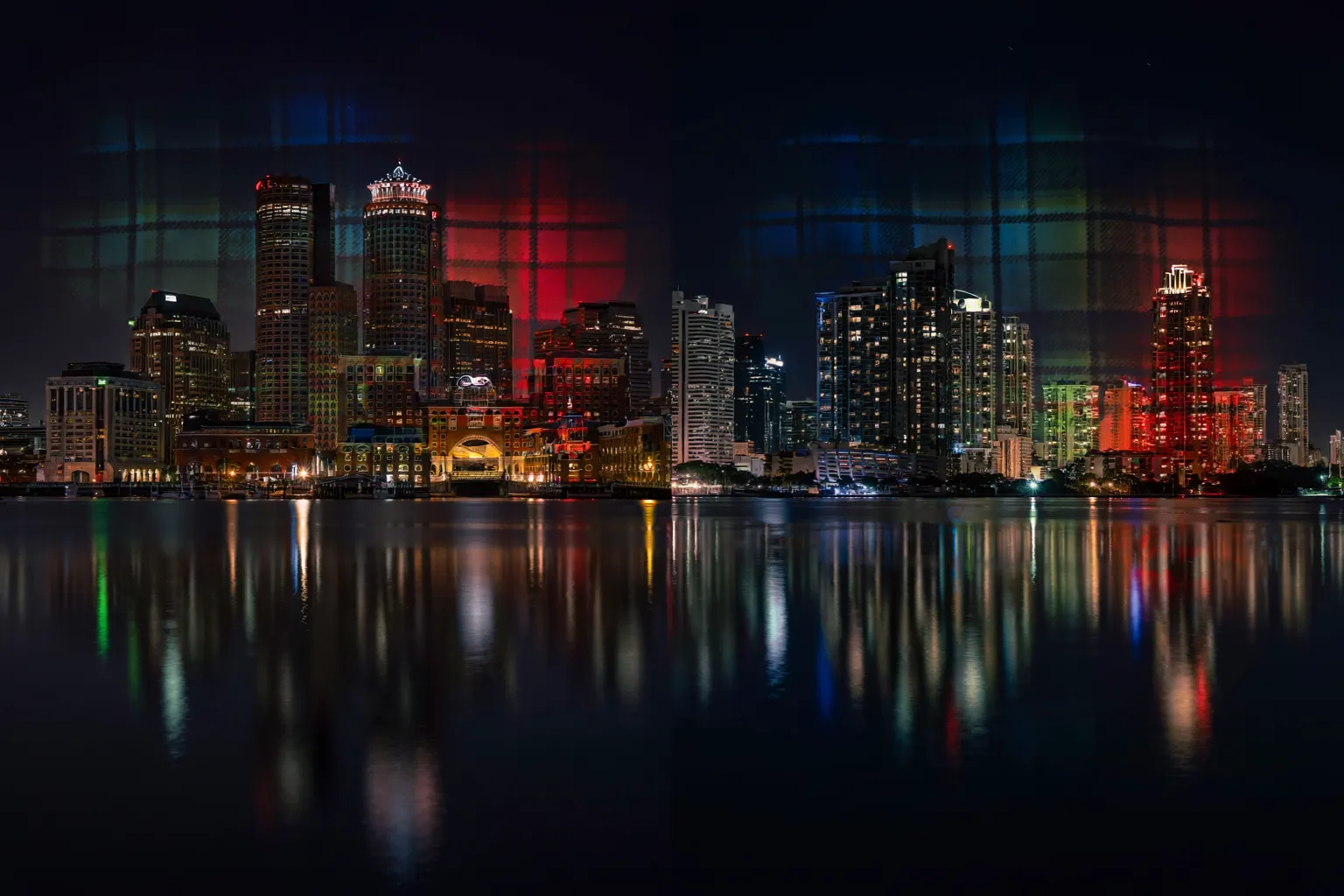
When the 48‑team World Cup opened on June 11, the streets of Boston were suddenly awash in tartan. An estimated 50,000 members of the Tartan Army poured into the city to cheer Scotland’s opening match against Brazil in Group C. Kilts fluttered, bagpipes blared, and Scottish flags fluttered in the summer breeze, turning the city’s avenues into a living celebration of Scottish culture.
The crowd’s impact was felt far beyond the stands. A city worker who witnessed the procession noted that the supporters’ orderly conduct and willingness to clean up after themselves made his job easier than that of local residents. The Tartan Army’s reputation for colourful displays, songs and charitable activities—well documented in the group’s history—was on full display as they marched through the city, sang traditional tunes, and engaged with local businesses.
Beyond the spectacle, the fans’ behaviour challenged stereotypes of Scottish masculinity. American observers repeatedly praised the supporters’ humour, humanity and respectful treatment of women. One Boston resident wrote that the Scottish men she encountered were “so respectful and nice that it actually made me remember what it’s like to not have to be my own bouncer in public.” Another described the experience as “bewilderingly nice,” noting that even when intoxicated the fans remained courteous.
The cultural impact was amplified by Scottish content creator Daniel Euan Henderson, known online as Daniel the Scotsman. In a recent video, Henderson used the World Cup as a backdrop to comment on Scottish identity, comparing the behaviour of Scottish men to that of American men in a bar and suggesting that the former are less likely to engage in aggressive or disrespectful conduct. He also coined the term “Boston Bairns” to describe the children he expects to see in the city nine months after the tournament and has predicted a “Hot Scot Summer” for the host nation.
The Tartan Army’s charm offensive continued in Miami, where they gathered ahead of Scotland’s match against Brazil. Reports indicate that the group’s presence resonated with local residents and fans, reinforcing the narrative that Scottish supporters bring a positive, inclusive energy to the World Cup.
The 2026 World Cup itself is historic for several reasons. It is the first edition to be co‑hosted by the United States, Canada and Mexico and the first to expand the tournament to 48 teams, up from the previous 32. Scotland’s qualification marks its first appearance in the finals since 1998; the team has yet to progress beyond the group stage in any of its eight World Cup appearances. Group C, which includes Brazil, Morocco, Haiti and Scotland, will determine the two or three teams that advance to the round of 32.
While the Tartan Army’s presence has been celebrated for its cultural flair and respectful conduct, the broader implications for the tournament remain largely symbolic. The fans’ arrival and behaviour have highlighted the role of supporter culture in shaping the World Cup experience for host cities and for international audiences.
As the tournament moves forward, the Tartan Army will continue to support Scotland in its remaining group matches, while Boston and Miami prepare for the next waves of international visitors. The World Cup’s conclusion on July 19 will leave a lasting impression on the host nations, the participating teams and the global community of football fans.
The crowd’s impact was felt far beyond the stands. A city worker who witnessed the procession noted that the supporters’ orderly conduct and willingness to clean up after themselves made his job easier than that of local residents. The Tartan Army’s reputation for colourful displays, songs and charitable activities—well documented in the group’s history—was on full display as they marched through the city, sang traditional tunes, and engaged with local businesses.
Beyond the spectacle, the fans’ behaviour challenged stereotypes of Scottish masculinity. American observers repeatedly praised the supporters’ humour, humanity and respectful treatment of women. One Boston resident wrote that the Scottish men she encountered were “so respectful and nice that it actually made me remember what it’s like to not have to be my own bouncer in public.” Another described the experience as “bewilderingly nice,” noting that even when intoxicated the fans remained courteous.
The cultural impact was amplified by Scottish content creator Daniel Euan Henderson, known online as Daniel the Scotsman. In a recent video, Henderson used the World Cup as a backdrop to comment on Scottish identity, comparing the behaviour of Scottish men to that of American men in a bar and suggesting that the former are less likely to engage in aggressive or disrespectful conduct. He also coined the term “Boston Bairns” to describe the children he expects to see in the city nine months after the tournament and has predicted a “Hot Scot Summer” for the host nation.
The Tartan Army’s charm offensive continued in Miami, where they gathered ahead of Scotland’s match against Brazil. Reports indicate that the group’s presence resonated with local residents and fans, reinforcing the narrative that Scottish supporters bring a positive, inclusive energy to the World Cup.
The 2026 World Cup itself is historic for several reasons. It is the first edition to be co‑hosted by the United States, Canada and Mexico and the first to expand the tournament to 48 teams, up from the previous 32. Scotland’s qualification marks its first appearance in the finals since 1998; the team has yet to progress beyond the group stage in any of its eight World Cup appearances. Group C, which includes Brazil, Morocco, Haiti and Scotland, will determine the two or three teams that advance to the round of 32.
While the Tartan Army’s presence has been celebrated for its cultural flair and respectful conduct, the broader implications for the tournament remain largely symbolic. The fans’ arrival and behaviour have highlighted the role of supporter culture in shaping the World Cup experience for host cities and for international audiences.
As the tournament moves forward, the Tartan Army will continue to support Scotland in its remaining group matches, while Boston and Miami prepare for the next waves of international visitors. The World Cup’s conclusion on July 19 will leave a lasting impression on the host nations, the participating teams and the global community of football fans.