Blab Sports
Rajasthan Village Leader Neeru Yadav Turns Childhood Hockey Dream into Community Development Model
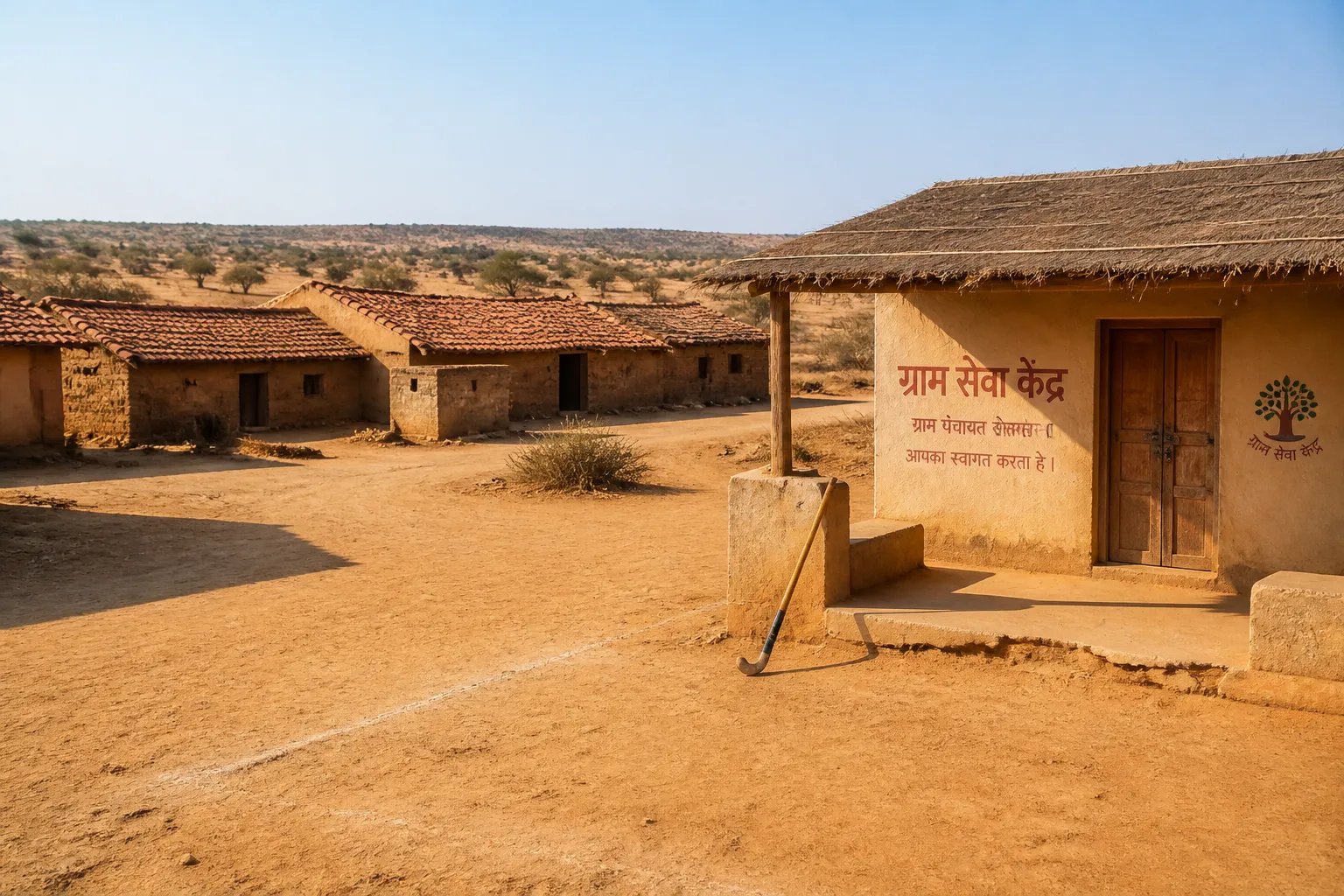
When Neeru Yadav was elected the first woman Sarpanch of Lambia Ahir in 2020, she carried more than a ballot – she carried a childhood dream of hockey and a vision of change. The village, nestled in Rajasthan’s Jhunjhunu district, has since seen girls lace up sticks, women farmers boost their incomes, banks open their doors, and plastic waste shrink.
Yadav grew up in Narnaul, Haryana, where her parents taught at a local school. She fell in love with hockey in her teens, but family obligations forced her to put the sport aside. Rather than let that setback define her, she stepped into local politics with a clear goal: to give other girls in her community a chance to play. The early days were not easy. Male officials doubted her capabilities, but Yadav’s grasp of governance and her relentless advocacy gradually earned their respect.
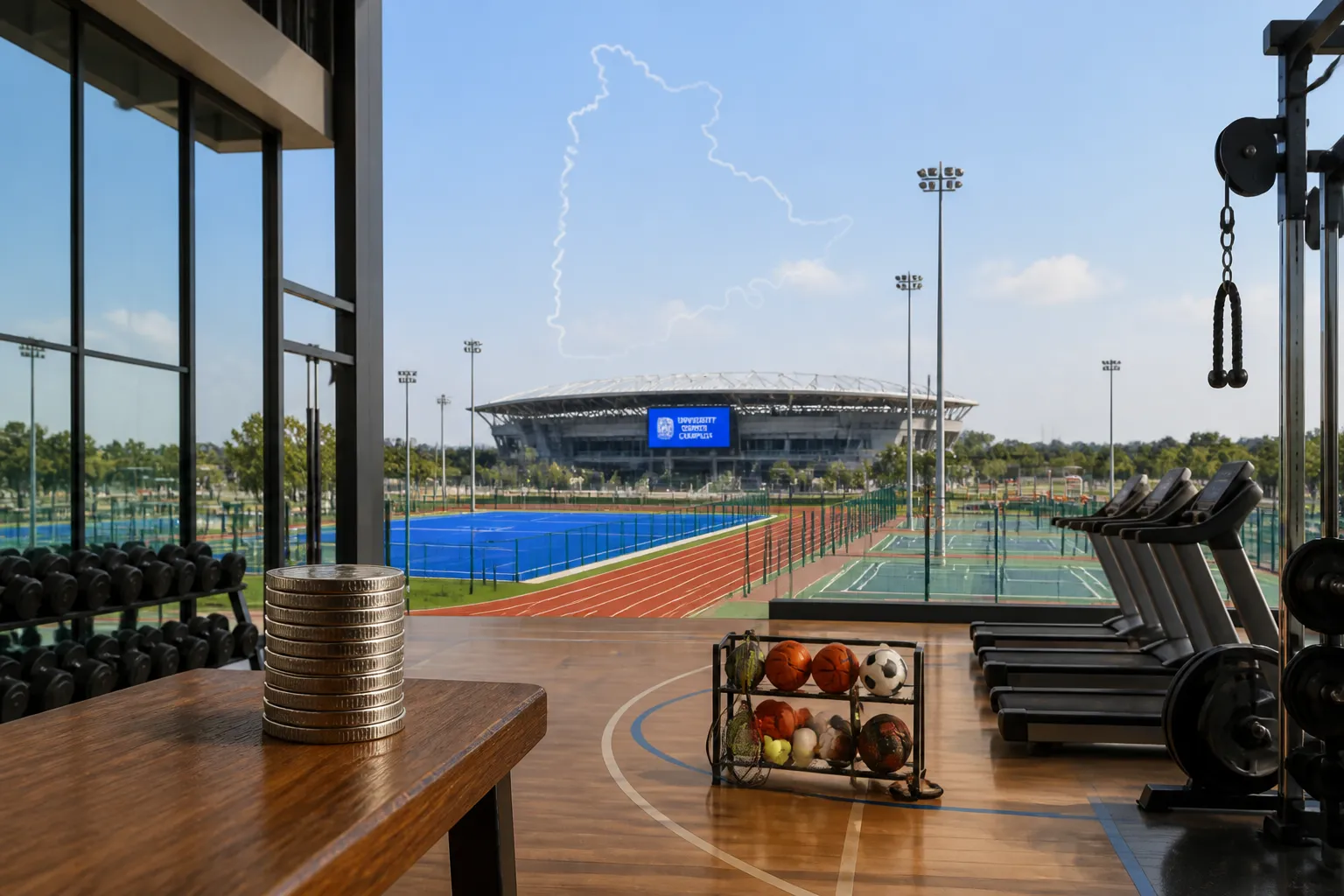
The most visible fruit of her tenure is the village hockey team. Using two years’ worth of her Sarpanch honorarium, she bought equipment, rented a nearby private university’s ground for practice, and hired a coach. Parents who had once hesitated now let their daughters take to the field. The team has won block‑level and district‑level tournaments, turning the village into a showcase for girls from economically weaker families and proving that women can excel in sports.
Beyond the field, Yadav has tackled food security and income generation. She co‑founded Sachhi Saheli Mahila Agro Producer Company Limited, a women‑led farmer producer organization that secured NABARD support. The FPO supplies subsidised seeds and fertilisers, cuts out middlemen, and opens market access. Within months of its launch, the organisation generated over ₹50 lakh in revenue, a boost that has lifted the economic independence of its members.
Financial inclusion and environmental stewardship are also pillars of her agenda. Partnering with the State Bank of India, Yadav ran awareness campaigns that encouraged villagers to open bank accounts, improve financial literacy, and tap into welfare schemes such as the Sukanya Samriddhi Yojana. She promoted vocational training under the Pradhan Mantri Kaushal Vikas Yojana, with several trainees reportedly landing jobs in multinational firms. Her Steel Utensil Bank lets villagers borrow reusable steel utensils for weddings and community events, preventing an estimated 15 tonnes of plastic waste. Additional initiatives include tree‑planting drives, sanitation campaigns, and organic waste composting.
Yadav’s work has earned national recognition. She represented India at the 57th Session of the United Nations Commission on Population and Development (CPD57) in New York, where she spoke on grassroots governance, women’s leadership and sustainability. The Rajasthan government awarded her the Shiksha Shree Award, and she was named in Femina and Mamaearth’s Beautiful Indians 2024 list. She maintains a personal website and active social media accounts where she shares updates on village progress and invites broader engagement.
The cumulative impact of Yadav’s initiatives is clear: improved drinking‑water access, regular health camps, upgraded infrastructure, and a surge in confidence among women. Her example demonstrates that local self‑governance can address multiple challenges simultaneously when driven by empathy and community participation. As India continues to strengthen its Panchayati Raj institutions, leaders like Yadav illustrate that meaningful development is measured not only by roads and buildings but by the lives transformed through inclusive leadership.
Yadav grew up in Narnaul, Haryana, where her parents taught at a local school. She fell in love with hockey in her teens, but family obligations forced her to put the sport aside. Rather than let that setback define her, she stepped into local politics with a clear goal: to give other girls in her community a chance to play. The early days were not easy. Male officials doubted her capabilities, but Yadav’s grasp of governance and her relentless advocacy gradually earned their respect.
The most visible fruit of her tenure is the village hockey team. Using two years’ worth of her Sarpanch honorarium, she bought equipment, rented a nearby private university’s ground for practice, and hired a coach. Parents who had once hesitated now let their daughters take to the field. The team has won block‑level and district‑level tournaments, turning the village into a showcase for girls from economically weaker families and proving that women can excel in sports.
Beyond the field, Yadav has tackled food security and income generation. She co‑founded Sachhi Saheli Mahila Agro Producer Company Limited, a women‑led farmer producer organization that secured NABARD support. The FPO supplies subsidised seeds and fertilisers, cuts out middlemen, and opens market access. Within months of its launch, the organisation generated over ₹50 lakh in revenue, a boost that has lifted the economic independence of its members.
Financial inclusion and environmental stewardship are also pillars of her agenda. Partnering with the State Bank of India, Yadav ran awareness campaigns that encouraged villagers to open bank accounts, improve financial literacy, and tap into welfare schemes such as the Sukanya Samriddhi Yojana. She promoted vocational training under the Pradhan Mantri Kaushal Vikas Yojana, with several trainees reportedly landing jobs in multinational firms. Her Steel Utensil Bank lets villagers borrow reusable steel utensils for weddings and community events, preventing an estimated 15 tonnes of plastic waste. Additional initiatives include tree‑planting drives, sanitation campaigns, and organic waste composting.
Yadav’s work has earned national recognition. She represented India at the 57th Session of the United Nations Commission on Population and Development (CPD57) in New York, where she spoke on grassroots governance, women’s leadership and sustainability. The Rajasthan government awarded her the Shiksha Shree Award, and she was named in Femina and Mamaearth’s Beautiful Indians 2024 list. She maintains a personal website and active social media accounts where she shares updates on village progress and invites broader engagement.
The cumulative impact of Yadav’s initiatives is clear: improved drinking‑water access, regular health camps, upgraded infrastructure, and a surge in confidence among women. Her example demonstrates that local self‑governance can address multiple challenges simultaneously when driven by empathy and community participation. As India continues to strengthen its Panchayati Raj institutions, leaders like Yadav illustrate that meaningful development is measured not only by roads and buildings but by the lives transformed through inclusive leadership.