Blab Sports
Nebraska Judge Dismisses Challenge to Sex-Based Sports Ballot Measure; Measure to Appear on November Ballot
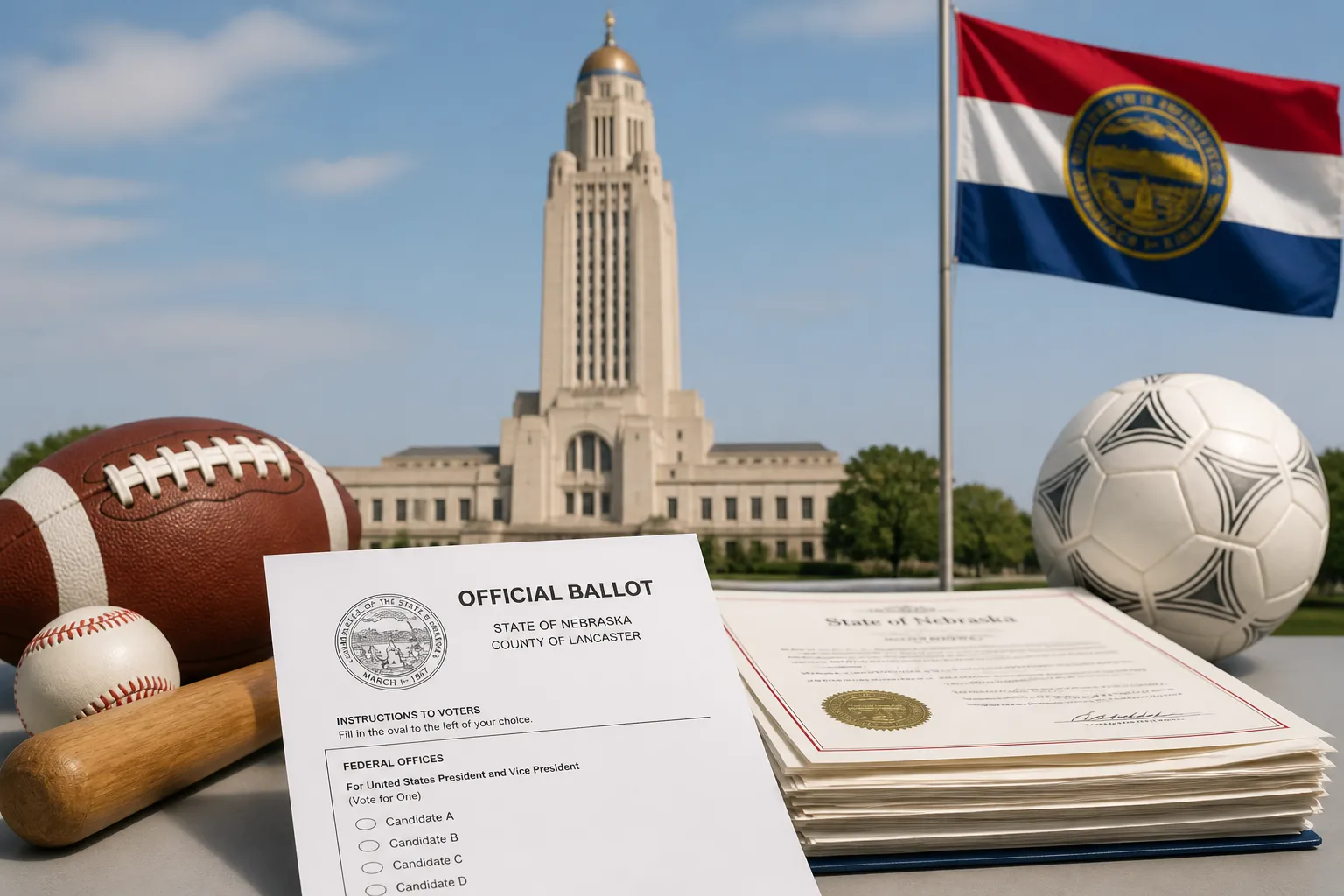
A Lancaster County district court judge on Tuesday cleared the path for a controversial initiative that would mandate sex‑separate athletics in Nebraska schools. The decision, handed down by Judge Lori Maret in Lincoln’s courthouse, dismissed all objections to the ballot measure known as Fairness for Girls, allowing it to move forward toward the state’s November 3 general‑election ballot.
The legal fight began when Lincoln resident Cara Ullman filed a challenge, arguing that the petition’s object statement was too brief and that she had signed the petition without fully understanding its implications. Ullman’s lawyer, Sydney Hayes, contended that state law requires an object statement to list the major provisions of a proposal—a standard that, according to the defense, is not found in Nebraska statutes.
Judge Maret, who heard the case on July 2, rejected those arguments. She found the statement—"The object of this petition is to amend the Nebraska Constitution to establish constitutional protections for sex‑separate athletics to ensure equal access to athletic opportunities for females"—to be concise enough to satisfy state law. In a five‑page ruling, Maret emphasized that the legislature has not imposed a requirement that an object statement contain “major provisions.” She noted that the court must defer to the legislature’s choice of law and that a stricter interpretation would unduly restrict the initiative process. The judge also pointed out that voters can review the full proposal by flipping the page of the petition.
Fairness for Girls builds on a 2025 state law that requires public K‑12 schools, colleges, universities, and private schools that compete against public schools to designate sports and teams as male, female, or co‑ed. Under the proposed amendment, male students would be prohibited from playing on female‑only teams. The measure does not define “sex” in the constitution; Nebraska law defines sex in terms of reproductive biology.
The sponsors of the initiative—former state senators Julie Slama, Rob Schafer, and Andrew La Grone—maintained that the campaign complied with the law and that they have a broad First Amendment right to the wording of the object statement. Their attorneys countered that the measure’s language meets all statutory requirements.
The initiative has already set a record for signature gathering. According to the Nebraska Secretary of State’s office, Fairness for Girls turned in 211,000 signatures on June 30, making it the first initiative of the 2026 cycle to submit its signatures. The measure will appear on the ballot as a question that reads:
> "Shall the Nebraska Constitution be amended to provide: (1) Schools must expressly designate each athletic team or sport as one of the following based on biological sex: (a) males, men or boys; (b) females, women or girls; or (c) coed or mixed; and (2) Athletic teams or sports designated for females, women or girls shall not be open to students of the male sex?"
If approved, the amendment would apply to all athletic teams or sports sponsored by public schools or postsecondary institutions and private schools whose teams compete against public schools.
Ullman has filed an appeal of Judge Maret’s ruling with the Nebraska Court of Appeals. The case could be expedited to the Nebraska Supreme Court, which declined to hear the challenge on September 1. If the Supreme Court again refuses to take the case, the measure will remain on the ballot.
Secretary of State Bob Evnen must certify the ballot by Friday, September 8. The certification will allow the measure to appear on the November 3 ballot, where voters will decide whether to amend the state constitution.
Fairness for Girls is part of a broader national trend. Nebraska joins Arizona, Colorado, and Washington as the first states to place sex‑based eligibility for school sports on a ballot in 2026. The measure’s outcome will have implications for schools, athletes, and the wider debate over gender and sports participation.
In summary, Judge Maret’s dismissal clears the way for Fairness for Girls to appear on the November ballot. The measure’s fate will be decided by voters, with the Secretary of State’s certification due by Friday and the election scheduled for November 3.
The legal fight began when Lincoln resident Cara Ullman filed a challenge, arguing that the petition’s object statement was too brief and that she had signed the petition without fully understanding its implications. Ullman’s lawyer, Sydney Hayes, contended that state law requires an object statement to list the major provisions of a proposal—a standard that, according to the defense, is not found in Nebraska statutes.
Judge Maret, who heard the case on July 2, rejected those arguments. She found the statement—"The object of this petition is to amend the Nebraska Constitution to establish constitutional protections for sex‑separate athletics to ensure equal access to athletic opportunities for females"—to be concise enough to satisfy state law. In a five‑page ruling, Maret emphasized that the legislature has not imposed a requirement that an object statement contain “major provisions.” She noted that the court must defer to the legislature’s choice of law and that a stricter interpretation would unduly restrict the initiative process. The judge also pointed out that voters can review the full proposal by flipping the page of the petition.
Fairness for Girls builds on a 2025 state law that requires public K‑12 schools, colleges, universities, and private schools that compete against public schools to designate sports and teams as male, female, or co‑ed. Under the proposed amendment, male students would be prohibited from playing on female‑only teams. The measure does not define “sex” in the constitution; Nebraska law defines sex in terms of reproductive biology.
The sponsors of the initiative—former state senators Julie Slama, Rob Schafer, and Andrew La Grone—maintained that the campaign complied with the law and that they have a broad First Amendment right to the wording of the object statement. Their attorneys countered that the measure’s language meets all statutory requirements.
The initiative has already set a record for signature gathering. According to the Nebraska Secretary of State’s office, Fairness for Girls turned in 211,000 signatures on June 30, making it the first initiative of the 2026 cycle to submit its signatures. The measure will appear on the ballot as a question that reads:
> "Shall the Nebraska Constitution be amended to provide: (1) Schools must expressly designate each athletic team or sport as one of the following based on biological sex: (a) males, men or boys; (b) females, women or girls; or (c) coed or mixed; and (2) Athletic teams or sports designated for females, women or girls shall not be open to students of the male sex?"
If approved, the amendment would apply to all athletic teams or sports sponsored by public schools or postsecondary institutions and private schools whose teams compete against public schools.
Ullman has filed an appeal of Judge Maret’s ruling with the Nebraska Court of Appeals. The case could be expedited to the Nebraska Supreme Court, which declined to hear the challenge on September 1. If the Supreme Court again refuses to take the case, the measure will remain on the ballot.
Secretary of State Bob Evnen must certify the ballot by Friday, September 8. The certification will allow the measure to appear on the November 3 ballot, where voters will decide whether to amend the state constitution.
Fairness for Girls is part of a broader national trend. Nebraska joins Arizona, Colorado, and Washington as the first states to place sex‑based eligibility for school sports on a ballot in 2026. The measure’s outcome will have implications for schools, athletes, and the wider debate over gender and sports participation.
In summary, Judge Maret’s dismissal clears the way for Fairness for Girls to appear on the November ballot. The measure’s fate will be decided by voters, with the Secretary of State’s certification due by Friday and the election scheduled for November 3.