Blab Sports
Dodgers Pride Night Sparks Controversy as Reliever Blake Treinen Declines Rainbow Hat
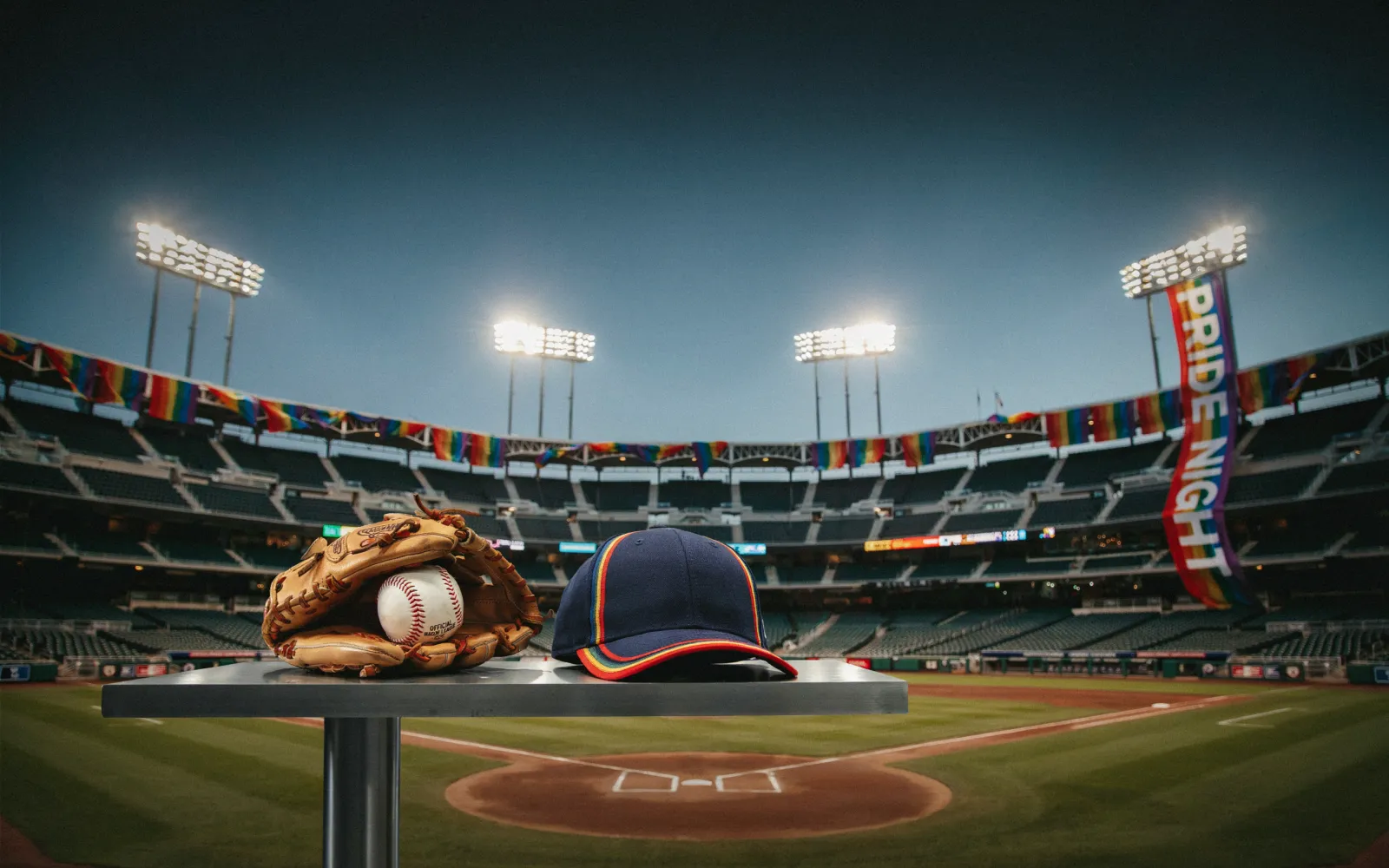
On Friday, June 5, 2026, the Los Angeles Dodgers transformed Uniqlo Field into a rainbow‑lit celebration for Pride Night. While the team’s players and fans donned brightly colored hats, relief pitcher Blake Treinen kept his blue Dodgers cap, sparking debate about religious accommodation in Major League Baseball’s annual LGBTQ event.
Pride Night has been a staple of MLB schedules since the turn of the millennium, with most teams dedicating a game to support LGBTQ players and fans. The Dodgers have hosted the night every year, and the 2026 ceremony added a permanent mural in centerfield honoring trailblazers Glenn Burke and Billy Bean, the first Major League players to publicly identify as gay.
The Dodgers also partnered with the Sisters of Perpetual Indulgence—a drag‑and‑satire group known for its comedic performances—to raise money for LGBTQ charities. The partnership, announced in a statement from the club, was intended to blend humor and advocacy in a way that would resonate with the broader fan base.
When the players took the field, every teammate except Treinen accepted a rainbow cap. He, however, chose to wear his standard blue cap, embellishing it with a Christian cross on the side and the name of former political commentator Charlie Kirk on the brim. In a post‑game interview with CBN Sports, Treinen said, "How do we make heaven crowded? That’s really my goal."
The Dodgers’ media guide noted that Treinen had previously criticized the Sisters of Perpetual Indulgence, calling their performances "blasphemous" and "mockery of Catholic faith." The club’s social‑media posts for the night highlighted the rainbow hats and the mural, but made no reference to Treinen’s choice.
Fox News ran an article titled "Dodgers Break Out Annual Pride Night Hats, Drawing Brutal Reactions," noting that the decision prompted backlash from some fans and media outlets. The New York Post added that Treinen was the winning pitcher in the Dodgers’ Game 7 victory over Toronto earlier that season, a fact that added context to his visibility during the event.
Other teammates were visible in the rainbow apparel: shortstop Mookie Betts and manager Dave Roberts sported the hats, catcher Alex Call wore a headband, and former pitcher Clayton Kershaw was photographed with a hat bearing the biblical reference Genesis 9:12‑16, a nod to the rainbow covenant.
The incident has ignited conversation among players, fans, and league officials about how to balance inclusion with respect for religious freedom. Some observers point to the Dodgers’ long history of supporting LGBTQ causes, while others warn that a refusal to wear the hat could alienate portions of the fan base.
The MLB has yet to issue a policy clarifying how players may opt out of Pride apparel. The Dodgers’ public‑relations office has said it respects players’ personal beliefs but has no comment on Treinen’s decision.
The team’s schedule keeps the debate in focus: a June 12 matchup against the San Diego Padres follows the Pride Night, with another Dodgers‑hosted Pride event slated for June 20. League officials will monitor the situation as they consider potential policy changes.
Stakeholders—including players, fans, and the league—will watch closely to see how MLB addresses the issue and whether it will establish clearer guidelines for religious accommodation during Pride celebrations.
Pride Night has been a staple of MLB schedules since the turn of the millennium, with most teams dedicating a game to support LGBTQ players and fans. The Dodgers have hosted the night every year, and the 2026 ceremony added a permanent mural in centerfield honoring trailblazers Glenn Burke and Billy Bean, the first Major League players to publicly identify as gay.
The Dodgers also partnered with the Sisters of Perpetual Indulgence—a drag‑and‑satire group known for its comedic performances—to raise money for LGBTQ charities. The partnership, announced in a statement from the club, was intended to blend humor and advocacy in a way that would resonate with the broader fan base.
When the players took the field, every teammate except Treinen accepted a rainbow cap. He, however, chose to wear his standard blue cap, embellishing it with a Christian cross on the side and the name of former political commentator Charlie Kirk on the brim. In a post‑game interview with CBN Sports, Treinen said, "How do we make heaven crowded? That’s really my goal."
The Dodgers’ media guide noted that Treinen had previously criticized the Sisters of Perpetual Indulgence, calling their performances "blasphemous" and "mockery of Catholic faith." The club’s social‑media posts for the night highlighted the rainbow hats and the mural, but made no reference to Treinen’s choice.
Fox News ran an article titled "Dodgers Break Out Annual Pride Night Hats, Drawing Brutal Reactions," noting that the decision prompted backlash from some fans and media outlets. The New York Post added that Treinen was the winning pitcher in the Dodgers’ Game 7 victory over Toronto earlier that season, a fact that added context to his visibility during the event.
Other teammates were visible in the rainbow apparel: shortstop Mookie Betts and manager Dave Roberts sported the hats, catcher Alex Call wore a headband, and former pitcher Clayton Kershaw was photographed with a hat bearing the biblical reference Genesis 9:12‑16, a nod to the rainbow covenant.
The incident has ignited conversation among players, fans, and league officials about how to balance inclusion with respect for religious freedom. Some observers point to the Dodgers’ long history of supporting LGBTQ causes, while others warn that a refusal to wear the hat could alienate portions of the fan base.
The MLB has yet to issue a policy clarifying how players may opt out of Pride apparel. The Dodgers’ public‑relations office has said it respects players’ personal beliefs but has no comment on Treinen’s decision.
The team’s schedule keeps the debate in focus: a June 12 matchup against the San Diego Padres follows the Pride Night, with another Dodgers‑hosted Pride event slated for June 20. League officials will monitor the situation as they consider potential policy changes.
Stakeholders—including players, fans, and the league—will watch closely to see how MLB addresses the issue and whether it will establish clearer guidelines for religious accommodation during Pride celebrations.