Blab Sports
Pickleball Offers Social and Health Benefits for Older Adults, Study Finds
Pickleball, the sport that’s sweeping senior centers, may do more than keep players on their feet. A recent study by Florida State University associate professor A.C.H. Kim shows that the game can cut loneliness and social isolation among adults aged 50 to 80. Published in the Journal of Aging and Physical Activity, the research examined how the sport’s compact court and frequent partner changes foster social interaction.
Loneliness is a growing public‑health concern. A National Poll on Healthy Aging conducted by the University of Michigan and AARP found that one in three adults between 50 and 80 report feeling lonely or lacking companionship some of the time or often. Loneliness is defined as the emotional gap between desired and actual social connections, whereas social isolation is an objective lack of social roles, infrequent interactions, and limited community participation. Both conditions are linked to higher rates of premature death.
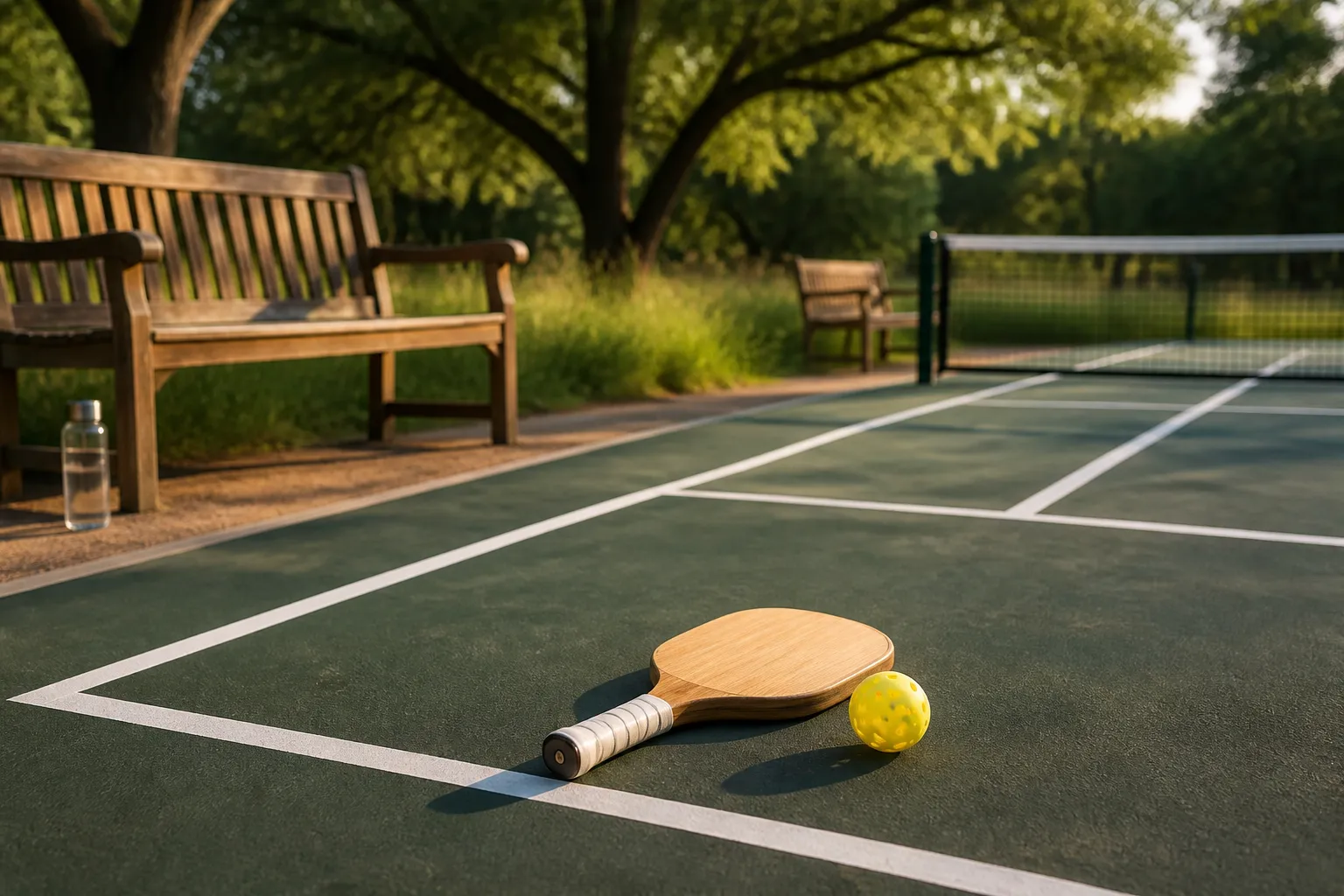
Kim’s work focuses on the social epidemiology of sport. She notes that playing pickleball strengthens older adults’ social connections and sense of community while reducing feelings of loneliness and isolation. The game’s court, measuring 20 feet by 44 feet—about one‑third the size of a tennis court—keeps players close enough to chat easily with partners and opponents during rallies. This proximity, Kim says, sets pickleball apart from activities such as running or walking alone, which improve fitness but rarely bring people together.
Beyond social benefits, pickleball offers physical advantages that are well suited to older adults. The lower net, slower ball speed, and emphasis on dinks and controlled shots reduce strain on knees, hips, and shoulders. Kim’s studies also suggest cognitive benefits, as the need to anticipate opponents’ moves and adjust strategy keeps the mind active.
Injuries remain the most common concern for older players. Strains and sprains of the ankle, knee, shoulder, and Achilles tendon often result from lunging or backpedaling instead of letting the ball go. Falls can lead to fractures that require months of recovery. Proper footwear—court shoes designed for side‑to‑side movement—is recommended over running shoes, which lack lateral support. Heat, especially in Florida, can cause dehydration or heat exhaustion, while prolonged sun exposure increases skin‑cancer risk. Older adults with heart conditions, joint replacements, or balance problems should consult a physician before starting.
Accessibility of courts is identified as the single largest barrier to participation. Many communities still rely on tennis courts with temporary lines or a few public courts that fill up quickly. Kim argues that building dedicated pickleball courts or converting underused facilities would sustain growth more effectively than advertising campaigns. She also calls for programs that welcome people who assume the sport is not for them, including younger adults, families, and those who have never considered themselves athletic.
The study underscores the role of pickleball in addressing a public‑health issue that affects millions. While the research confirms social and physical benefits, it also highlights the need for safe play practices and expanded court access. Future work will likely examine long‑term health outcomes and strategies for scaling court infrastructure.
For more information on how pickleball bridges social connections for older adults and how the sport has grown in popularity, media may contact associate professor A.C.H. Kim at kamy@fsu.edu.
Loneliness is a growing public‑health concern. A National Poll on Healthy Aging conducted by the University of Michigan and AARP found that one in three adults between 50 and 80 report feeling lonely or lacking companionship some of the time or often. Loneliness is defined as the emotional gap between desired and actual social connections, whereas social isolation is an objective lack of social roles, infrequent interactions, and limited community participation. Both conditions are linked to higher rates of premature death.
Kim’s work focuses on the social epidemiology of sport. She notes that playing pickleball strengthens older adults’ social connections and sense of community while reducing feelings of loneliness and isolation. The game’s court, measuring 20 feet by 44 feet—about one‑third the size of a tennis court—keeps players close enough to chat easily with partners and opponents during rallies. This proximity, Kim says, sets pickleball apart from activities such as running or walking alone, which improve fitness but rarely bring people together.
Beyond social benefits, pickleball offers physical advantages that are well suited to older adults. The lower net, slower ball speed, and emphasis on dinks and controlled shots reduce strain on knees, hips, and shoulders. Kim’s studies also suggest cognitive benefits, as the need to anticipate opponents’ moves and adjust strategy keeps the mind active.
Injuries remain the most common concern for older players. Strains and sprains of the ankle, knee, shoulder, and Achilles tendon often result from lunging or backpedaling instead of letting the ball go. Falls can lead to fractures that require months of recovery. Proper footwear—court shoes designed for side‑to‑side movement—is recommended over running shoes, which lack lateral support. Heat, especially in Florida, can cause dehydration or heat exhaustion, while prolonged sun exposure increases skin‑cancer risk. Older adults with heart conditions, joint replacements, or balance problems should consult a physician before starting.
Accessibility of courts is identified as the single largest barrier to participation. Many communities still rely on tennis courts with temporary lines or a few public courts that fill up quickly. Kim argues that building dedicated pickleball courts or converting underused facilities would sustain growth more effectively than advertising campaigns. She also calls for programs that welcome people who assume the sport is not for them, including younger adults, families, and those who have never considered themselves athletic.
The study underscores the role of pickleball in addressing a public‑health issue that affects millions. While the research confirms social and physical benefits, it also highlights the need for safe play practices and expanded court access. Future work will likely examine long‑term health outcomes and strategies for scaling court infrastructure.
For more information on how pickleball bridges social connections for older adults and how the sport has grown in popularity, media may contact associate professor A.C.H. Kim at kamy@fsu.edu.