Blab Sports
NYPD Imposes Security Perimeter Around Madison Square Garden for Knicks Game 4, Limiting Fan Watch Parties
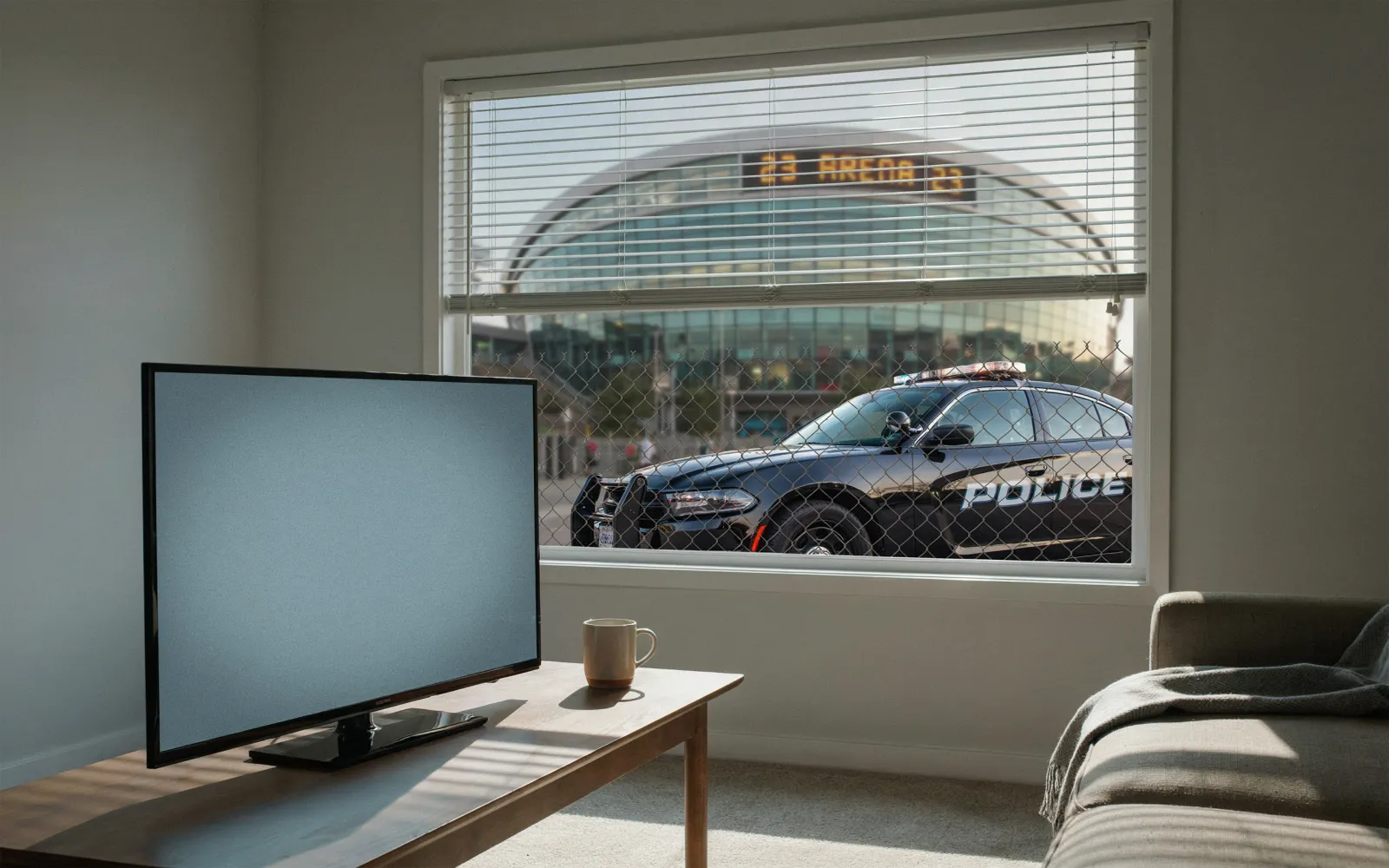
When the Knicks clinched Game 4 of the 2026 NBA Finals, the city rolled out a full‑scale security perimeter around Madison Square Garden (MSG) that will restrict public access to the area unless attendees have a legitimate reason to be there. The NYPD’s plan, released on Wednesday, allows only 1,000 fans to gather at a designated watch‑party site outside the arena and requires bars and restaurants within the perimeter to observe strict capacity limits.
The move follows a string of incidents that raised concerns about crowd disorder. After the Knicks lost Game 3 to the San Antonio Spurs, 21 people were taken into custody, and police are still searching for a group that allegedly ripped a Spurs jersey from a fan while punching and kicking him. The department cited the need to prevent “rowdy crowds that have at times become violent and unruly.”
Under the new plan, fans must prove they are attending the game or have “business specific to that area.” The city will allow a watch‑party outside the Garden for up to 1,000 people—a scaled‑down version of the larger gatherings that had taken place in the past. The Madison Square Garden Company responded on Wednesday, accusing the mayor of turning the streets around the arena into a “police state” that “freezes out fans from celebrating.”
Mayor Zohran Mamdani had previously asked the NYPD to allow some form of outdoor celebrations. According to two people familiar with the meetings, the mayor requested the police commissioner, Jessica Tisch, to permit watch parties, but Tisch advocated for the perimeter to control potential disorder. The mayor’s request came after a frozen zone was imposed around the arena during Game 3 when President Donald Trump attended the event.
The security plan sits amid a broader debate about public‑space access. “The NYPD is historically extremely risk averse to disorderly behavior by crowds, whether they be celebratory or protesting,” said Jeffrey Fagan, a law professor at Columbia University who studies policing. “The mayor now faces a difficult calculus between the strong emotions of Knicks fans and the political risks if crowd control isn’t airtight.”
Business owners near MSG have expressed concern that the restrictions will reduce foot traffic on what is normally one of the busiest days of the year. Angela Reilly, owner of the Irish pub Molly Wee, said, “It’s ruining my business. I haven’t seen anything like this level of security in 46 years.” The Madison Square Garden Company also released the MSG permit application, which specified an attendance of up to 999 people, to demonstrate that the city’s limits were consistent with the arena’s capacity.
The restrictions have drawn criticism from fans who have historically celebrated in the streets. Shaun Geddes, a Knicks fan who runs a popular podcast about the team, said he had celebrated multiple series‑clinching victories outside the arena and found the vast majority of fans were respectful. “Then there’s a small group of people out there cosplaying as Knicks fans and doing performative things to go viral on TikTok,” Geddes added. “But being passionate as a Knicks fan doesn’t mean assaulting anyone.”
The NYPD’s approach is not unprecedented. During the New York Rangers’ Stanley Cup win in 1994, the police cleared the area around MSG of potential projectiles but allowed fans to move freely. An NYPD chief said at a news conference, “We expect the fans to be extremely vocal. If they want to go from here to there, we’ll escort them in any direction.”
The security perimeter comes at a time when the Knicks are the first team to return to the NBA Finals since 1999. The 2026 Finals are the eighth consecutive year with a different champion, and the series is a rematch of the 1999 Finals, which the Spurs won in five games.
The mayor’s administration has stated that there is no recent precedent for the level of security being applied. The city’s decision reflects a balance between public safety and fan expression, a balance that will continue to be tested as the Knicks advance toward a potential championship.
The next game in the series is scheduled for Saturday, June 11, at the Spurs’ home arena. The Knicks’ performance in the remaining games will determine whether the security measures are deemed necessary or overly restrictive.
The move follows a string of incidents that raised concerns about crowd disorder. After the Knicks lost Game 3 to the San Antonio Spurs, 21 people were taken into custody, and police are still searching for a group that allegedly ripped a Spurs jersey from a fan while punching and kicking him. The department cited the need to prevent “rowdy crowds that have at times become violent and unruly.”
Under the new plan, fans must prove they are attending the game or have “business specific to that area.” The city will allow a watch‑party outside the Garden for up to 1,000 people—a scaled‑down version of the larger gatherings that had taken place in the past. The Madison Square Garden Company responded on Wednesday, accusing the mayor of turning the streets around the arena into a “police state” that “freezes out fans from celebrating.”
Mayor Zohran Mamdani had previously asked the NYPD to allow some form of outdoor celebrations. According to two people familiar with the meetings, the mayor requested the police commissioner, Jessica Tisch, to permit watch parties, but Tisch advocated for the perimeter to control potential disorder. The mayor’s request came after a frozen zone was imposed around the arena during Game 3 when President Donald Trump attended the event.
The security plan sits amid a broader debate about public‑space access. “The NYPD is historically extremely risk averse to disorderly behavior by crowds, whether they be celebratory or protesting,” said Jeffrey Fagan, a law professor at Columbia University who studies policing. “The mayor now faces a difficult calculus between the strong emotions of Knicks fans and the political risks if crowd control isn’t airtight.”
Business owners near MSG have expressed concern that the restrictions will reduce foot traffic on what is normally one of the busiest days of the year. Angela Reilly, owner of the Irish pub Molly Wee, said, “It’s ruining my business. I haven’t seen anything like this level of security in 46 years.” The Madison Square Garden Company also released the MSG permit application, which specified an attendance of up to 999 people, to demonstrate that the city’s limits were consistent with the arena’s capacity.
The restrictions have drawn criticism from fans who have historically celebrated in the streets. Shaun Geddes, a Knicks fan who runs a popular podcast about the team, said he had celebrated multiple series‑clinching victories outside the arena and found the vast majority of fans were respectful. “Then there’s a small group of people out there cosplaying as Knicks fans and doing performative things to go viral on TikTok,” Geddes added. “But being passionate as a Knicks fan doesn’t mean assaulting anyone.”
The NYPD’s approach is not unprecedented. During the New York Rangers’ Stanley Cup win in 1994, the police cleared the area around MSG of potential projectiles but allowed fans to move freely. An NYPD chief said at a news conference, “We expect the fans to be extremely vocal. If they want to go from here to there, we’ll escort them in any direction.”
The security perimeter comes at a time when the Knicks are the first team to return to the NBA Finals since 1999. The 2026 Finals are the eighth consecutive year with a different champion, and the series is a rematch of the 1999 Finals, which the Spurs won in five games.
The mayor’s administration has stated that there is no recent precedent for the level of security being applied. The city’s decision reflects a balance between public safety and fan expression, a balance that will continue to be tested as the Knicks advance toward a potential championship.
The next game in the series is scheduled for Saturday, June 11, at the Spurs’ home arena. The Knicks’ performance in the remaining games will determine whether the security measures are deemed necessary or overly restrictive.