Blab Sports
Jeff Darlington Blames Grier-McDaniel Dynamic for Dolphins Decline, Highlights Draft Drought and Trade-Heavy Era
The Miami Dolphins are in the midst of a rebuilding phase that began with the firing of general manager Chris Grier in October 2025 and the dismissal of head coach Mike McDaniel in January 2026. The team’s first training‑camp week in 2026 is already shaping a roster that is largely composed of inexpensive, young players, a stark contrast to the veteran‑heavy lineup that carried the Dolphins to three playoff appearances under Grier.
ESPN reporter Jeff Darlington, who has covered the franchise for years, offered a candid assessment of the partnership that led to the franchise’s recent struggles. In a podcast interview on “The Dive Bar,” Darlington said, “One of the things that several years ago I really liked turned out to be something that was just not the right fit, at all. I really thought that the combination of Grier and McDaniel was going to be good. I know that sounds so cringey now. But what I think I underestimated was the idea that someone like Mike in that role probably also needs to be told that ‘no, we’re not going to do that.’” He added that the decision‑making process had become unbalanced, with Grier often signing players that McDaniel wanted without a clear check from the front office.
The Dolphins’ 2025 season finished 7‑10, the same record the team posted in 2024, and the franchise missed the playoffs for the second straight year. Official records show the team finished third in the AFC East and ranked 24th in DVOA. The 2025 season also saw the Dolphins lose 31‑6 to the Cleveland Browns, a game that highlighted offensive and defensive struggles.
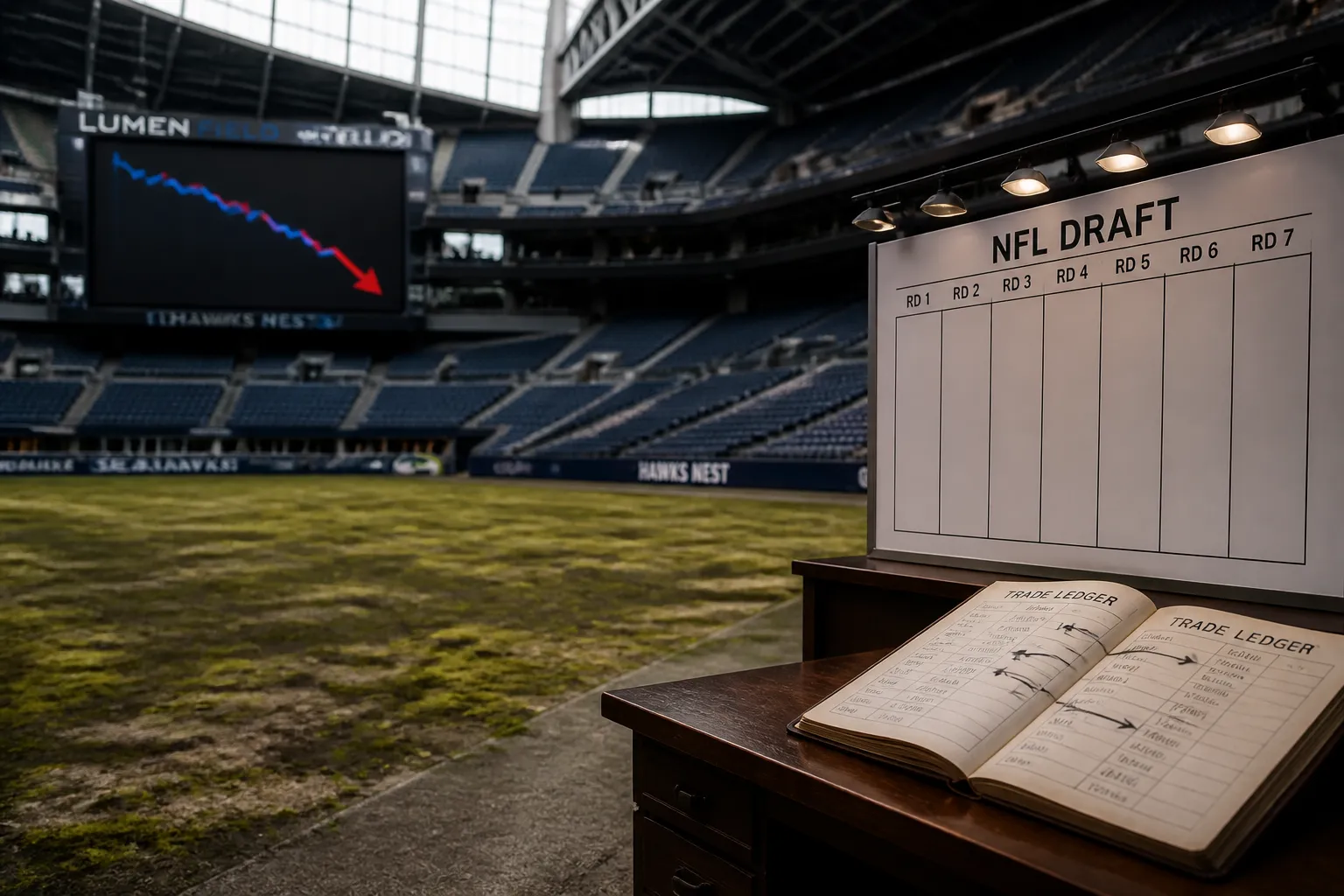
Under Grier’s tenure, the Dolphins compiled a 77‑80 record, made three playoff appearances, but never won a postseason game. The franchise’s 2025 draft was a two‑year drought that left the roster aging and limited the team’s ability to rebuild through the draft. The team’s trade‑heavy approach, which included several high‑profile moves, further depleted draft capital.
The new regime, which began with the hiring of a new head coach in February 2026, is focused on a “checks and balances” system that Darlington argues was missing in the Grier‑McDaniel era. The Dolphins’ front office is now tasked with balancing the coach’s needs with the organization’s long‑term strategy, a lesson that Darlington says the franchise learned the hard way.
Owner Stephen M. Ross, who sold a 13 % stake in the team in 2024, has overseen the franchise’s transition to a new ownership model that includes outside private‑equity investors. The sale was part of a broader effort to modernize the franchise’s business operations.
The 2026 training camp has already seen the Dolphins sign several inexpensive free‑agents and draft picks, a strategy that reflects the organization’s new emphasis on building a young core. The team’s first week of practice is being watched closely by analysts who note that the roster’s composition is a direct response to the shortcomings highlighted by Darlington.
In summary, the Dolphins’ recent decline can be traced to a combination of an unbalanced GM‑coach relationship, a prolonged draft drought, and a trade‑heavy strategy that left the roster aging. The franchise’s new leadership is now working to rebuild a roster that balances youth and experience while re‑establishing a clear decision‑making hierarchy.
The next few weeks will be critical as the Dolphins continue to shape their roster, address injuries, and prepare for the 2026 season. The organization’s ability to learn from the past and implement a balanced approach will determine whether the franchise can return to playoff contention in the coming years.
ESPN reporter Jeff Darlington, who has covered the franchise for years, offered a candid assessment of the partnership that led to the franchise’s recent struggles. In a podcast interview on “The Dive Bar,” Darlington said, “One of the things that several years ago I really liked turned out to be something that was just not the right fit, at all. I really thought that the combination of Grier and McDaniel was going to be good. I know that sounds so cringey now. But what I think I underestimated was the idea that someone like Mike in that role probably also needs to be told that ‘no, we’re not going to do that.’” He added that the decision‑making process had become unbalanced, with Grier often signing players that McDaniel wanted without a clear check from the front office.
The Dolphins’ 2025 season finished 7‑10, the same record the team posted in 2024, and the franchise missed the playoffs for the second straight year. Official records show the team finished third in the AFC East and ranked 24th in DVOA. The 2025 season also saw the Dolphins lose 31‑6 to the Cleveland Browns, a game that highlighted offensive and defensive struggles.
Under Grier’s tenure, the Dolphins compiled a 77‑80 record, made three playoff appearances, but never won a postseason game. The franchise’s 2025 draft was a two‑year drought that left the roster aging and limited the team’s ability to rebuild through the draft. The team’s trade‑heavy approach, which included several high‑profile moves, further depleted draft capital.
The new regime, which began with the hiring of a new head coach in February 2026, is focused on a “checks and balances” system that Darlington argues was missing in the Grier‑McDaniel era. The Dolphins’ front office is now tasked with balancing the coach’s needs with the organization’s long‑term strategy, a lesson that Darlington says the franchise learned the hard way.
Owner Stephen M. Ross, who sold a 13 % stake in the team in 2024, has overseen the franchise’s transition to a new ownership model that includes outside private‑equity investors. The sale was part of a broader effort to modernize the franchise’s business operations.
The 2026 training camp has already seen the Dolphins sign several inexpensive free‑agents and draft picks, a strategy that reflects the organization’s new emphasis on building a young core. The team’s first week of practice is being watched closely by analysts who note that the roster’s composition is a direct response to the shortcomings highlighted by Darlington.
In summary, the Dolphins’ recent decline can be traced to a combination of an unbalanced GM‑coach relationship, a prolonged draft drought, and a trade‑heavy strategy that left the roster aging. The franchise’s new leadership is now working to rebuild a roster that balances youth and experience while re‑establishing a clear decision‑making hierarchy.
The next few weeks will be critical as the Dolphins continue to shape their roster, address injuries, and prepare for the 2026 season. The organization’s ability to learn from the past and implement a balanced approach will determine whether the franchise can return to playoff contention in the coming years.