Blab Sports
SAFA Doubles Offer for Pitso Mosimane to R5 Million/Year, Coach Declines
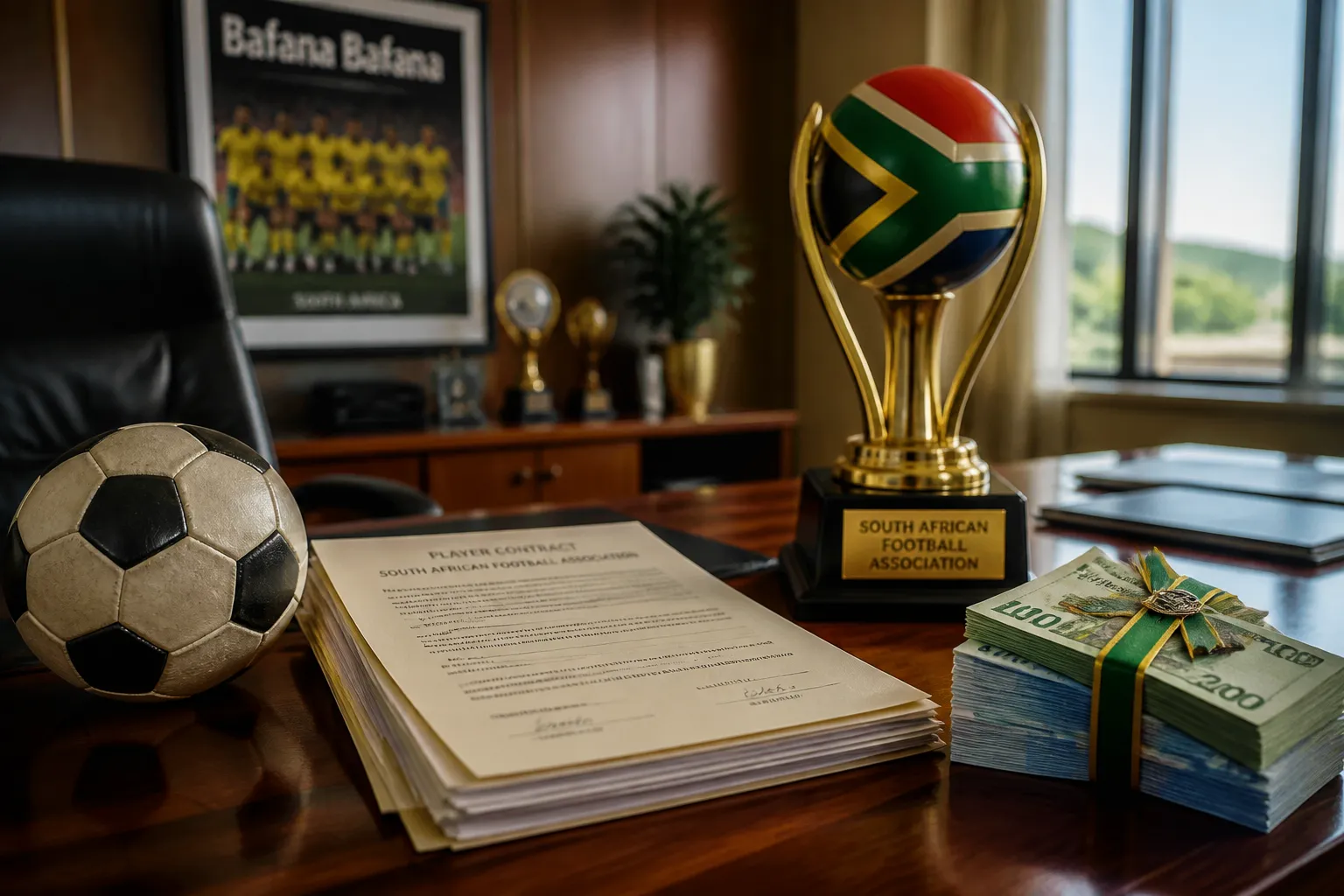
The South African Football Association (SAFA) reportedly doubled its salary proposal for former Mamelodi Sundowns boss Pitso Mosimane to R5 million a year, only for the veteran coach to walk away. The decision came after the national executive committee (NEC) approved Mosimane’s appointment to succeed Hugo Broos, who retired following South Africa’s landmark 2026 FIFA World Cup run.
The NEC meeting, held at SAFA House on Saturday, was immediately followed by senior executives touring Mosimane’s former clubs in an effort to fine‑tune the terms of the deal. Mosimane, 61, had been a long‑time contender for the national team role, having managed Bafana Bafana from 2010 to 2012 and returning to the sidelines in 2026 after a spell with Egyptian giants Al Ahly. While at Mamelodi Sundowns, he earned a monthly salary of R1.5 million—a figure that surfaced during his 2020 contract renewal.
SABC Sport described the new offer as a “double” of the initial package presented to Mosimane last week. The report noted that SAFA’s technical committee, led by Jack Maluleke, had identified Mosimane as the preferred candidate to replace Broos. Broos, who was paid roughly R1.4 million per year, received a R21 million handshake after the national team’s performance at the World Cup. Under Broos, Bafana Bafana reached the knockout stages for the first time in its history, setting a high bar for the incoming coach.
Mosimane’s rejection of the R5 million offer surprised many, according to The South African. The article suggested that the coach viewed the proposal as an insult, citing his previous earnings and the prestige of the role. The decision leaves SAFA with a vacancy that the NEC will need to fill, and the association has yet to announce a replacement or a revised compensation package.
The salary structure debate has been in the spotlight for months. A separate report highlighted SAFA’s plan to reduce salaries for top earners by 5 % to 25 %, noting that Broos had not yet received his first salary under the new contract. Mosimane’s choice underscores the tension between financial prudence and the desire to secure top coaching talent.
With the 2027 Africa Cup of Nations qualifiers on the horizon, the national team’s coaching position remains open. The outcome of this impasse will shape Bafana Bafana’s direction as it prepares for upcoming international fixtures and the next cycle of national team development. SAFA must now decide whether to pursue another candidate, renegotiate terms, or explore alternative structures to attract a coach capable of building on the World Cup momentum.
The situation also reflects broader scrutiny of SAFA’s management decisions in the wake of the World Cup. Fans, stakeholders, and the media are watching closely to see how the association balances fiscal responsibility with competitive ambition. Until the NEC reaches a new agreement, the coaching vacancy will continue to loom over the national side.
The NEC meeting, held at SAFA House on Saturday, was immediately followed by senior executives touring Mosimane’s former clubs in an effort to fine‑tune the terms of the deal. Mosimane, 61, had been a long‑time contender for the national team role, having managed Bafana Bafana from 2010 to 2012 and returning to the sidelines in 2026 after a spell with Egyptian giants Al Ahly. While at Mamelodi Sundowns, he earned a monthly salary of R1.5 million—a figure that surfaced during his 2020 contract renewal.
SABC Sport described the new offer as a “double” of the initial package presented to Mosimane last week. The report noted that SAFA’s technical committee, led by Jack Maluleke, had identified Mosimane as the preferred candidate to replace Broos. Broos, who was paid roughly R1.4 million per year, received a R21 million handshake after the national team’s performance at the World Cup. Under Broos, Bafana Bafana reached the knockout stages for the first time in its history, setting a high bar for the incoming coach.
Mosimane’s rejection of the R5 million offer surprised many, according to The South African. The article suggested that the coach viewed the proposal as an insult, citing his previous earnings and the prestige of the role. The decision leaves SAFA with a vacancy that the NEC will need to fill, and the association has yet to announce a replacement or a revised compensation package.
The salary structure debate has been in the spotlight for months. A separate report highlighted SAFA’s plan to reduce salaries for top earners by 5 % to 25 %, noting that Broos had not yet received his first salary under the new contract. Mosimane’s choice underscores the tension between financial prudence and the desire to secure top coaching talent.
With the 2027 Africa Cup of Nations qualifiers on the horizon, the national team’s coaching position remains open. The outcome of this impasse will shape Bafana Bafana’s direction as it prepares for upcoming international fixtures and the next cycle of national team development. SAFA must now decide whether to pursue another candidate, renegotiate terms, or explore alternative structures to attract a coach capable of building on the World Cup momentum.
The situation also reflects broader scrutiny of SAFA’s management decisions in the wake of the World Cup. Fans, stakeholders, and the media are watching closely to see how the association balances fiscal responsibility with competitive ambition. Until the NEC reaches a new agreement, the coaching vacancy will continue to loom over the national side.