Blab Sports
Xfinity Subscribers Regain NFL Network and RedZone After Disney-Comcast Carriage Dispute Ends
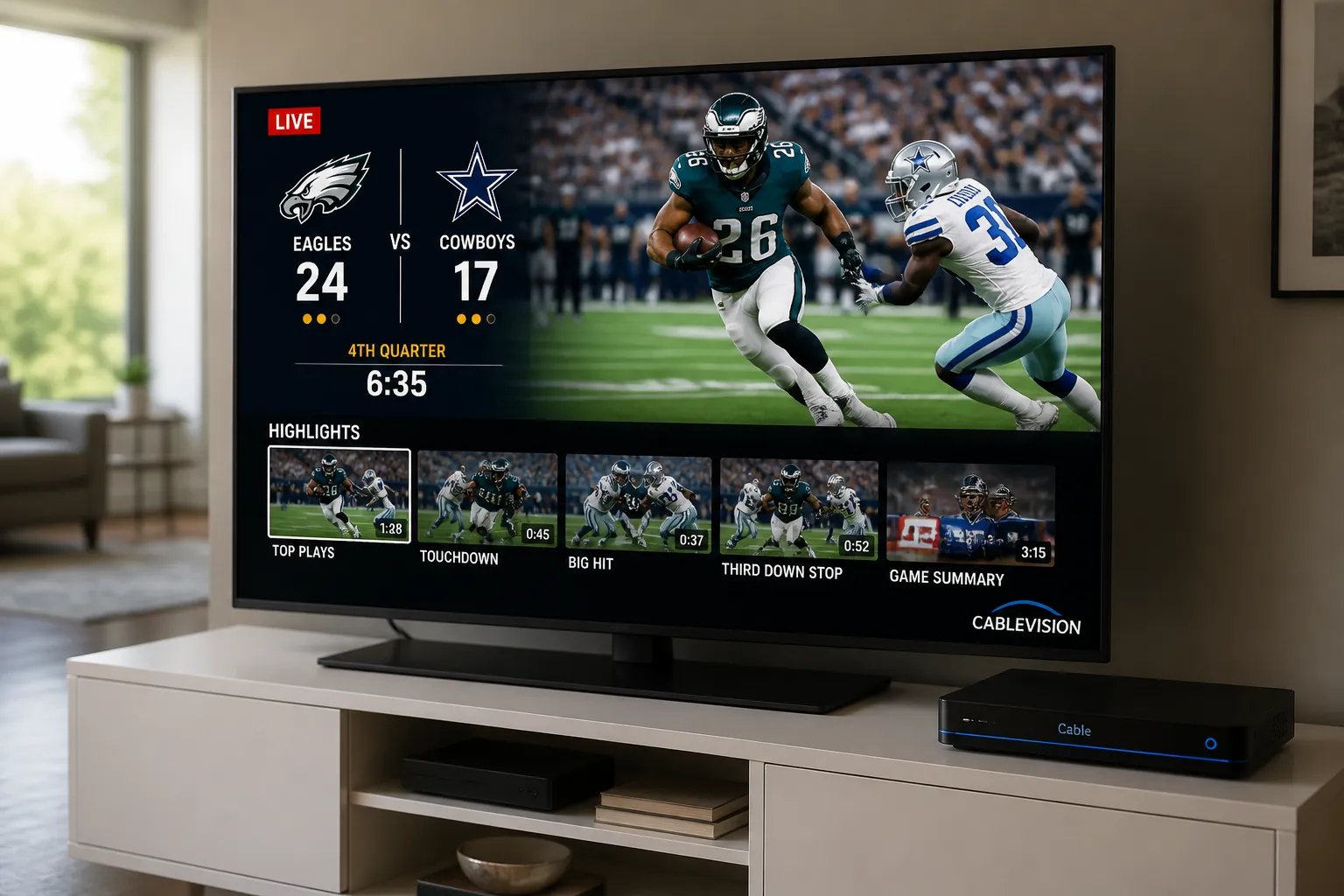
Xfinity customers lost access to the NFL Network and the linear RedZone channel in late April after a carriage dispute between Comcast and Disney‑ESPN. The dispute ended on Monday, restoring the channels to the Xfinity lineup.
The conflict began when ESPN, as part of an equity deal with the National Football League, took over ownership of NFL Media. That same month, the existing carriage agreements for the NFL Network and the linear RedZone channel with Comcast expired. Disney, acting as the new negotiating partner for ESPN, sought higher fees for the same content. Comcast’s public statement said the new terms would double the cost and place the channels in a higher tier, making them more expensive for subscribers.
Disney’s spokesperson replied that the company had offered to keep the channels available while negotiations continued, but Comcast declined the proposal and removed the channels from its Xfinity service. The spokesperson added that Disney remained committed to reaching a fair agreement and restoring access as quickly as possible.
The loss of the channels coincided with the start of the NFL preseason and the approach of the 2026 regular season. Xfinity serves roughly 11 million households, so the blackout affected a large audience of football fans. The resolution was reached after “cooler heads prevailed,” according to a statement released on Monday. Financial details of the new agreement were not disclosed, and it is unclear whether Disney’s demands for higher fees or a different channel tier were satisfied.
This is the second time in three years that the NFL Network has disappeared from Comcast’s lineup. The first incident in 2023 required intervention from NFL Commissioner Roger Goodell and Comcast CEO Brian Roberts to secure a new carriage deal. The 2026 dispute was resolved without such high‑level involvement.
The NFL Network, a joint venture between the NFL and ESPN, has been a staple of NFL coverage for years. The linear RedZone channel, which streams live game action and highlights, has traditionally been carried by cable providers like Comcast. The blackout left Xfinity subscribers without these services until the new agreement was signed.
Comcast’s statement that the channels were removed “to protect the interests of its subscribers” was balanced by Disney’s claim that the higher fees were necessary to cover the cost of the newly acquired NFL media assets. The NFL’s own statements did not comment on the dispute.
With the 2026 season on the horizon, the restoration of the NFL Network and RedZone means that Xfinity customers can once again watch live NFL games, analysis programs, and the popular “RedZone” coverage without additional cost. The channels will be available in the same package as before, though the exact placement in the channel lineup has not been specified.
The resolution of this dispute comes at a time when the NFL and ESPN are finalizing a broader agreement that includes ESPN’s acquisition of NFL Network and other media assets. The deal, approved by regulators in early 2026, gave ESPN a 10 percent equity stake in NFL Media and expanded the network’s reach.
For Xfinity subscribers, the immediate impact is the return of two key NFL channels. The long‑term implications for carriage negotiations remain uncertain, but the recent agreement suggests that both parties are willing to compromise to keep fans connected.
The NFL Network and RedZone will resume broadcasting on Xfinity on the same day the agreement was announced. No further changes to the channels’ programming or scheduling have been announced. The NFL season will begin in September, and the restored channels will provide coverage of all regular‑season games and related programming.
In summary, the carriage dispute between Comcast and Disney‑ESPN over the NFL Network and linear RedZone channel ended in early October 2026. The channels are back on Xfinity, but the terms of the new deal remain undisclosed. The resolution marks the second time in three years that the NFL Network has been absent from Comcast’s lineup, but it also demonstrates that negotiations can ultimately produce a solution that restores access for millions of subscribers.
The conflict began when ESPN, as part of an equity deal with the National Football League, took over ownership of NFL Media. That same month, the existing carriage agreements for the NFL Network and the linear RedZone channel with Comcast expired. Disney, acting as the new negotiating partner for ESPN, sought higher fees for the same content. Comcast’s public statement said the new terms would double the cost and place the channels in a higher tier, making them more expensive for subscribers.
Disney’s spokesperson replied that the company had offered to keep the channels available while negotiations continued, but Comcast declined the proposal and removed the channels from its Xfinity service. The spokesperson added that Disney remained committed to reaching a fair agreement and restoring access as quickly as possible.
The loss of the channels coincided with the start of the NFL preseason and the approach of the 2026 regular season. Xfinity serves roughly 11 million households, so the blackout affected a large audience of football fans. The resolution was reached after “cooler heads prevailed,” according to a statement released on Monday. Financial details of the new agreement were not disclosed, and it is unclear whether Disney’s demands for higher fees or a different channel tier were satisfied.
This is the second time in three years that the NFL Network has disappeared from Comcast’s lineup. The first incident in 2023 required intervention from NFL Commissioner Roger Goodell and Comcast CEO Brian Roberts to secure a new carriage deal. The 2026 dispute was resolved without such high‑level involvement.
The NFL Network, a joint venture between the NFL and ESPN, has been a staple of NFL coverage for years. The linear RedZone channel, which streams live game action and highlights, has traditionally been carried by cable providers like Comcast. The blackout left Xfinity subscribers without these services until the new agreement was signed.
Comcast’s statement that the channels were removed “to protect the interests of its subscribers” was balanced by Disney’s claim that the higher fees were necessary to cover the cost of the newly acquired NFL media assets. The NFL’s own statements did not comment on the dispute.
With the 2026 season on the horizon, the restoration of the NFL Network and RedZone means that Xfinity customers can once again watch live NFL games, analysis programs, and the popular “RedZone” coverage without additional cost. The channels will be available in the same package as before, though the exact placement in the channel lineup has not been specified.
The resolution of this dispute comes at a time when the NFL and ESPN are finalizing a broader agreement that includes ESPN’s acquisition of NFL Network and other media assets. The deal, approved by regulators in early 2026, gave ESPN a 10 percent equity stake in NFL Media and expanded the network’s reach.
For Xfinity subscribers, the immediate impact is the return of two key NFL channels. The long‑term implications for carriage negotiations remain uncertain, but the recent agreement suggests that both parties are willing to compromise to keep fans connected.
The NFL Network and RedZone will resume broadcasting on Xfinity on the same day the agreement was announced. No further changes to the channels’ programming or scheduling have been announced. The NFL season will begin in September, and the restored channels will provide coverage of all regular‑season games and related programming.
In summary, the carriage dispute between Comcast and Disney‑ESPN over the NFL Network and linear RedZone channel ended in early October 2026. The channels are back on Xfinity, but the terms of the new deal remain undisclosed. The resolution marks the second time in three years that the NFL Network has been absent from Comcast’s lineup, but it also demonstrates that negotiations can ultimately produce a solution that restores access for millions of subscribers.